Experiencing a failed IVF or ICSI cycle can feel overwhelming.
Many couples are told everything looks “normal.” Yet, the outcome does not reflect that.
One overlooked cause is sperm DNA fragmentation – a hidden factor that standard tests often miss.
If you are planning another cycle, understanding this can change your approach completely.
Why IVF and ICSI Fail (Even When Tests Look Normal)
IVF and ICSI are advanced treatments. However, success depends on more than just sperm count or egg quality.
Even when semen analysis is normal, underlying DNA damage can affect:
- Fertilisation
- Embryo development
- Implantation
- Pregnancy stability
This is why some cycles fail without a clear explanation.
What Is Sperm DNA Fragmentation?
Sperm DNA fragmentation refers to breaks or damage within the genetic material of sperm.
This damage is not visible in routine semen analysis.
However, it plays a critical role in:
- Embryo quality
- Pregnancy success
- Miscarriage risk
How DNA Damage Affects IVF and ICSI Outcomes
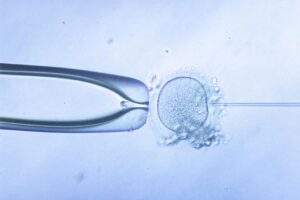
Even with ICSI, where a single sperm is injected into the egg, DNA quality still matters.
High DNA fragmentation is associated with:
- Poor embryo development
- Lower implantation rates
- Increased miscarriage risk
- Repeated IVF or ICSI failure
In simple terms: the sperm may look normal, but function poorly at a genetic level.
Why Standard Semen Analysis Is Not Enough
Most men are tested using:
- Sperm count
- Motility
- Morphology
These are important. However, they do not assess DNA integrity.
You can have normal results and still have significant DNA damage.
When Should You Consider DNA Fragmentation Testing?
You should strongly consider testing if:
- You have had one or more failed IVF cycles
- You have experienced ICSI failure
- You have unexplained infertility
- There is a history of recurrent miscarriage
- You want to optimise your next fertility treatment

What Causes Sperm DNA Damage?
Several factors can contribute:
- Oxidative stress
- Smoking
- Poor diet
- Heat exposure (e.g. saunas, laptops)
- Varicocele
- Age
- Infection or inflammation
Identifying the cause allows targeted treatment.
Can Sperm DNA Fragmentation Be Improved?
In many cases, yes.
Management may include:
- Lifestyle changes
- Antioxidant support
- Treating underlying conditions
- Repeat testing to monitor improvement
Early testing gives you time to act before your next IVF cycle.
Why Testing Before Your Next IVF Cycle Is Critical
Each IVF cycle involves:
- Time
- Emotional stress
- Financial cost
Proceeding without investigating DNA quality may lead to repeat failure.
A simple test can provide clarity and direction.
Where to Get Sperm DNA Fragmentation Testing in London
Marylebone Diagnostic Centre
Located in Central London, Marylebone Diagnostic Centre offers:
- Advanced sperm DNA fragmentation testing
- Results within 24–42 hours
- Same-day appointments
- No GP referral required
- Discreet and private environment
You can also combine this with:
- Semen analysis
- Male hormone testing
- Inflammation markers (CRP)
- Full blood count
https://www.marylebonediagnosticcentre.com/blood-tests/full-blood-count/
Book directly:
https://www.marylebonediagnosticcentre.com/
DNA Fragmentation vs ICSI: What You Should Know
Many assume ICSI bypasses sperm problems.
It does not fully solve DNA issues.
Factor | ICSI | DNA Fragmentation |
Selects sperm visually | ✅ | ❌ |
Assesses DNA quality | ❌ | ✅ |
Prevents DNA damage | ❌ | ❌ |
Impacts embryo quality | ⚠️ | ✅ |
Combining both gives the best outcomes.
What Happens After Your Results?
Depending on your results, your clinician may:
- Adjust IVF strategy
- Recommend sperm selection techniques
- Suggest lifestyle optimisation
- Plan further testing
This improves your chances for the next cycle.
IVF & Fertility Outcomes
Yes. High DNA fragmentation is linked to poor embryo quality, implantation failure, and increased miscarriage risk.
No. ICSI helps fertilisation but does not fix underlying DNA damage within sperm.
At Marylebone Diagnostic Centre, results are available within 24–42 hours.
Yes. Testing before your next cycle can identify hidden issues and improve treatment planning.
No. It involves providing a semen sample in a private setting at the clinic.
In many cases, yes. Lifestyle changes, antioxidants, or specialized sperm selection techniques can significantly improve outcomes.
No, you can book your diagnostic tests directly with us for immediate insights into your fertility health.