
Male Hormone & Testosterone Testing London – Optimise Your Energy, Focus & Performance
Low energy, reduced drive, or not feeling like yourself?
Many men in London experience symptoms of hormone imbalance without realising it.
This guide explains:
- What testosterone does
- Signs of low testosterone
- Why testing is essential
- How to optimise your levels safely
What Is Testosterone?
Testosterone is the primary male hormone.
It plays a key role in:
- Energy levels
- Muscle mass
- Mood
- Libido
- Cognitive performance
Optimal testosterone is essential for overall health.
Why Testosterone Levels Are Declining
Modern lifestyles are affecting hormone health.
Common contributing factors include:
- Chronic stress
- Poor sleep
- Sedentary lifestyle
- Processed diets
- Environmental toxins
Many men today have lower levels than previous generations.
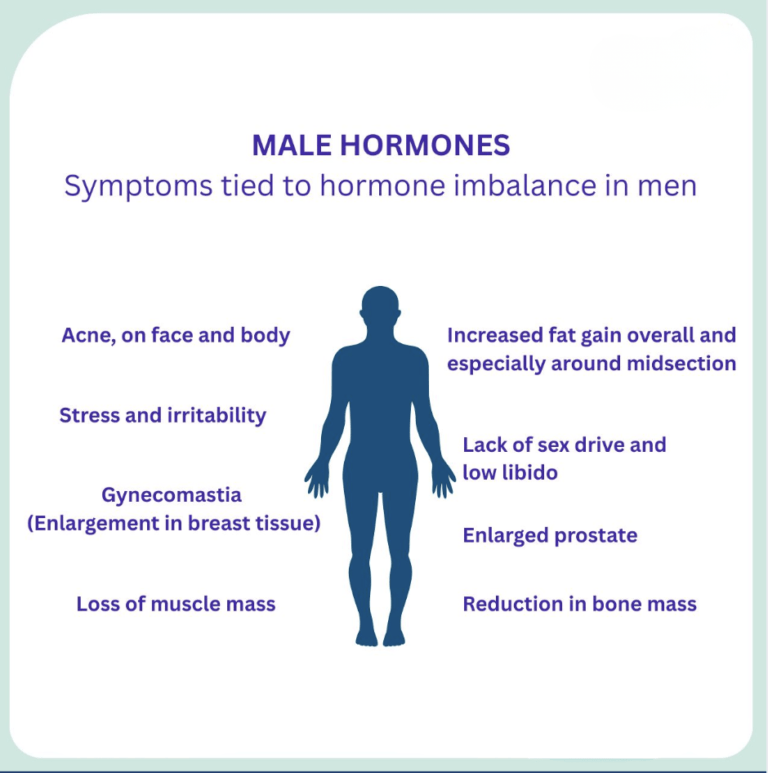
Symptoms of Low Testosterone
Low testosterone can affect both physical and mental health.
Common symptoms include:
- Persistent fatigue
- Low libido
- Erectile dysfunction
- Reduced muscle mass
- Increased body fat
- Brain fog
- Low motivation
- Mood changes
These symptoms are often dismissed but should not be ignored.
When Should You Get Tested?
You should consider testing if you:
- Feel constantly tired
- Notice reduced performance in the gym
- Experience low sex drive
- Have difficulty concentrating
- Feel less motivated than usual
Testing provides clarity and direction.
Testosterone Testing London – The Smart Approach
At Marylebone Diagnostic Centre, we offer comprehensive hormone testing.
We focus on identifying:
- Hormone levels
- Underlying imbalances
- Contributing factors
Recommended Male Hormone Profile
Comprehensive Testosterone Panel
Includes:
Total Testosterone
Measures overall hormone level.
Free Testosterone
The active form your body can use.
SHBG (Sex Hormone Binding Globulin)
Determines how much testosterone is available.
LH & FSH
Signals from the brain controlling testosterone production.
Prolactin
Elevated levels can suppress testosterone.
This gives a complete hormonal picture, not just a single number.
Book Your Testosterone Test
Book Now: marylebonediagnosticcentre.com/hormone-blood-test/
📍 73 Baker Street, London W1U 6RD
📞 +44 7495 970109Results within 24–42 hours. No GP referral required.
Why a Single Testosterone Test Is Not Enough
Many clinics only test total testosterone.
This can be misleading.
Example:
- Normal total testosterone
- Low free testosterone
Result: symptoms remain unexplained.
At Marylebone Diagnostic Centre, we test multiple markers to ensure accuracy.
What Happens After Your Results?
Once your results are ready:
- You receive a detailed report
- Hormonal imbalances are identified
- Next steps are clearly explained
This may include:
- Lifestyle adjustments
- Nutritional support
- Further evaluation
Can Testosterone Levels Be Improved?
In many cases, yes.
Natural optimisation strategies include:
Sleep Optimisation
Poor sleep reduces testosterone.
Exercise
Resistance training boosts hormone levels.
Nutrition
Balanced diet supports hormone production.
Stress Management
Lower cortisol improves testosterone balance.
Small changes can lead to significant improvements.
Advanced Support: IV Therapy for Hormonal Health
IV therapy can support energy and recovery.
At Marylebone Diagnostic Centre, options include:
- Energy Boost IV
- Vitamin Infusions
- Nutrient therapy
These help support:
- Energy levels
- Recovery
- Overall wellbeing
The Link Between Testosterone & Mental Health
Low testosterone is linked to:
- Depression
- Anxiety
- Low confidence
- Reduced focus
Optimising hormone levels can improve both physical and mental health.
Why Choose Marylebone Diagnostic Centre?
- Results within 24 – 42 hours
- On-site consultant review
- Private suites
- Discreet and confidential care
- No GP referral needed
📍 5-minute walk from Baker Street tube
FAQs
Normal levels vary, but optimal levels depend on age, symptoms, and overall health.
Yes. Low testosterone is a common cause of low energy and reduced motivation.
Yes. Blood testing is the only accurate way to assess hormone levels.
Yes. Lifestyle changes such as sleep, diet, and exercise can improve testosterone levels.
Written By
Dr Lauren
Consultant in Women’s Health & Fertility Specialist
Contributor to clinical education at Marylebone Diagnostic Centre