Brain Aneurysm: The Silent Threat and the Blood Tests That Help Detect Risk
Dr Lauren Holland | Marylebone Diagnostic Centre, London
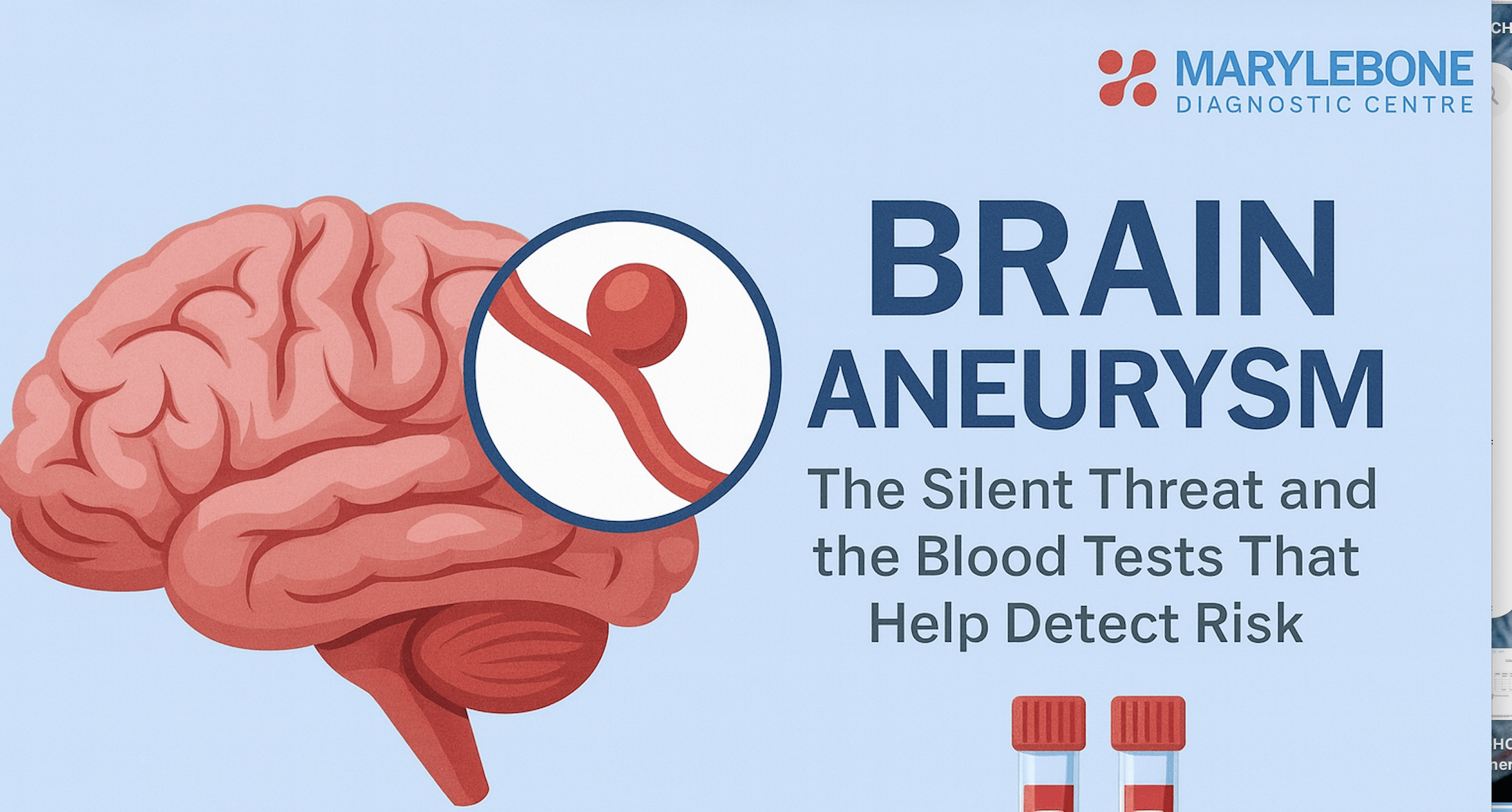
A brain aneurysm is often called a silent danger – a weak spot in a blood vessel that balloons over time and may rupture without warning.
Most people have no symptoms until it becomes serious. But several underlying health markers, detectable through simple blood tests, can indicate an increased risk.
At Marylebone Diagnostic Centre (MDC), we help patients understand these invisible risks early through accurate, fast, and clinically guided testing.
What Is a Brain Aneurysm?
An aneurysm forms when the wall of a brain artery weakens, causing a bulge.
If it ruptures, it can lead to a haemorrhagic stroke, which can be fatal or cause long-term neurological damage.
Common risk factors include:
- High blood pressure (hypertension)
- High cholesterol or atherosclerosis
- Smoking and alcohol misuse
- Family history of aneurysm or stroke
- Inflammatory blood-vessel disease
Silent Warning Signs
While small aneurysms rarely cause symptoms, early signs may include:
- Sudden severe headaches (“thunderclap” headaches)
- Vision changes or double vision
- Neck pain or stiffness
- Numbness, tingling, or drooping on one side of the face
- Fatigue or dizziness
If any of these occur suddenly, seek emergency care immediately.
However, if you are at risk due to family history, blood pressure, or cholesterol, testing can detect early clues long before symptoms develop.
Blood Tests That Reveal Aneurysm-Related Risk
While imaging (CT or MRI angiography) confirms an aneurysm, several biochemical markers can identify vascular strain or inflammation that increase the likelihood of aneurysm formation.
🔹 1. Lipid Profile
High LDL cholesterol contributes to arterial plaque build-up, increasing vascular pressure and weakening artery walls.
🔹 2. High-Sensitivity C-Reactive Protein (hs-CRP)
An inflammation marker — raised levels are linked to vascular injury and stroke risk.
🔹 3. HbA1c and Glucose
Poorly controlled blood sugar can damage small blood vessels, raising aneurysm and stroke risk.
🔹 4. Kidney Function (Urea & Electrolytes)
Kidney disease and high blood pressure are closely connected — both strain cerebral arteries.
🔹 5. Blood Pressure & Electrolyte Balance
Monitoring sodium and potassium helps maintain normal vessel tension and brain perfusion.
How MDC Helps Prevent Silent Vascular Damage
At Marylebone Diagnostic Centre, we take a proactive approach to cerebrovascular health through:
- Comprehensive blood and heart screening in one visit.
- Results within 24 – 42 hours, depending on the test.
- On-site clinician review to explain results clearly.
- QC-validated testing under the Marylebone High Standard.
- Optional follow-up for advanced imaging referrals when indicated.
The Link Between Heart and Brain Health
What damages the arteries of the heart often damages those in the brain.
By monitoring your cholesterol, blood pressure, and inflammatory markers, you reduce your risk not only of heart attack but also of stroke and aneurysm rupture.
When to Get Tested
You should consider testing if you:
- Have a family history of stroke or aneurysm.
- Experience persistent headaches or dizziness.
- Have high cholesterol, high blood pressure, or diabetes.
- Are over 40 and have not had a vascular screening in the last year.
Why Choose Marylebone Diagnostic Centre
- Results within 24 – 42 hours
- On-site consultant interpretation
- Private suites for confidential care
- CQC-accredited, QC-assured testing
- Optional teleconsultations for follow-up
FAQs
1. Can a blood test detect a brain aneurysm directly?
No, only imaging (CT/MRI) can confirm an aneurysm. But blood tests can reveal the risk factors that make aneurysms more likely.
2. What test should I start with?
A Cardiovascular & Inflammatory Profile, which includes cholesterol, hs-CRP, and kidney tests, is an ideal first step.
3. Can lifestyle changes reduce aneurysm risk?
Yes – quitting smoking, maintaining a healthy diet, managing blood pressure, and controlling cholesterol all lower risk dramatically.
Take a Proactive Step Today
Don’t wait for symptoms to appear. Protect your heart and brain with a simple vascular and inflammation test at Marylebone Diagnostic Centre.
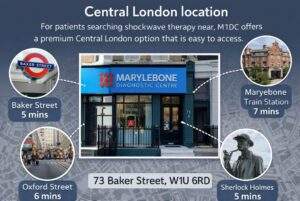
📍 73 Baker Street, London W1U 6RD
📞 +44 7495 970109
🕗 Monday–Saturday, 8:00–16:00
🚇 5-minute walk from Baker Street Tube
Results within 24–42 hours | QC validated | Tested to the Marylebone High Standard