Recent coverage by BBC News and The Guardian suggested that intermittent fasting is “no better” than a traditional calorie-controlled diet for weight loss.
However, as scientists and clinicians, we must ask:
Are we measuring the right outcomes?
If the only endpoint is weight on a scale, then yes — calorie control will usually produce similar short-term results.
But metabolic biology is far more complex than body weight alone.
At Marylebone Diagnostic Centre (MDC), we look beyond the scale. We look at cellular health, inflammation, mitochondrial function, insulin dynamics, and long-term disease risk.
And here is where fasting becomes scientifically interesting.
Weight Loss Is Not the Same as Cellular Health
Most media discussions focus purely on kilograms lost.
But fasting research has consistently shown additional biological effects, including:
- Activation of autophagy (cellular cleansing pathways)
- Improved insulin sensitivity
- Reduced inflammatory markers
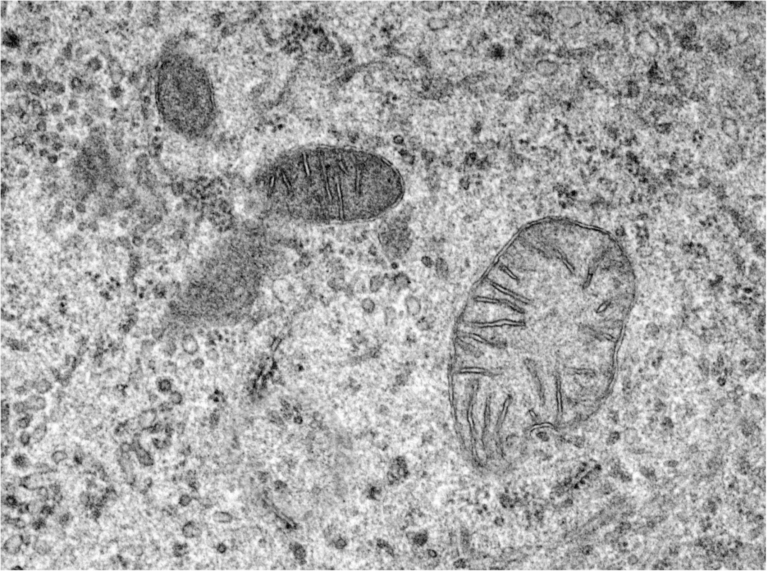
- Enhanced mitochondrial efficiency
- Improved metabolic flexibility
These changes do not always translate into dramatically higher short-term weight loss. However, they may influence long-term metabolic resilience.
That distinction matters.
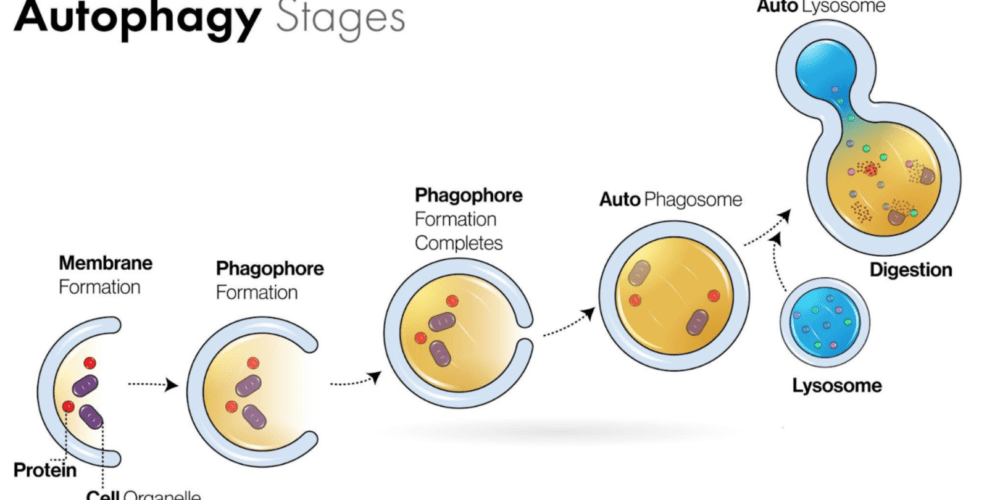
The Science of Autophagy
Autophagy is the body’s cellular recycling system. It removes damaged proteins and dysfunctional cell components.
Fasting periods, particularly longer fasting windows – are known to stimulate autophagic pathways.
Autophagy is associated with:
- Reduced cellular stress
- Improved metabolic regulation
- Potential longevity mechanisms
- Improved immune regulation
A standard “eat six times per day” pattern does not stimulate these pathways in the same way.
So, when media says fasting is “no better,” the question is:
No better for what?
If the only goal is 8-week weight reduction, perhaps similar. If the goal is cellular optimisation, the discussion becomes deeper.
Insulin: The Real Metabolic Driver
Many patients who struggle with weight have underlying insulin resistance.
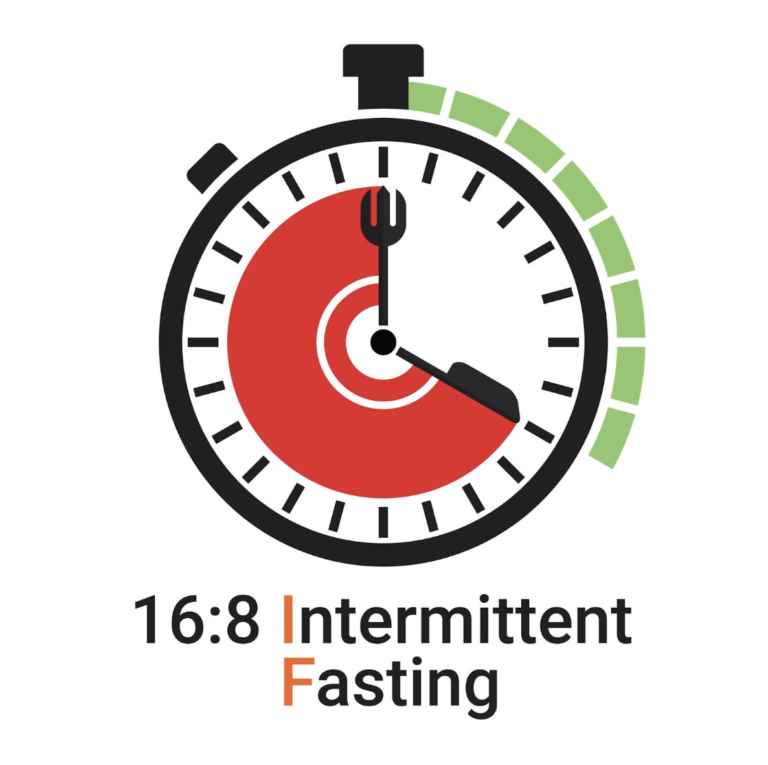
Intermittent fasting creates longer periods of low insulin exposure.
This can:
- Improve insulin sensitivity
- Reduce visceral fat
- Improve glucose control
- Support metabolic reset
In contrast, constant grazing maintains insulin elevation.
Weight may drop on both methods. But insulin dynamics differ.
Growth, Repair and Hormonal Regulation
Short-term fasting has also been associated with:
- Increased growth hormone pulses
- Improved fat oxidation
- Reduced oxidative stress
- Enhanced metabolic flexibility
Again, these effects are rarely captured in media headlines focused purely on weight.
Where Media Oversimplifies the Debate
The recent articles did not say fasting is harmful. They said it is not superior for weight loss. That is a narrow interpretation. Weight is a crude endpoint. Metabolic health is multidimensional.
As scientists, we must interpret research within biological context.
The MDC Scientific Position
At Marylebone Diagnostic Centre, we do not promote extremes.
However, we recognise that structured fasting – when medically appropriate – can be a powerful metabolic tool.
Especially in patients with:
- Insulin resistance
- Metabolic syndrome
- Early type 2 diabetes
- Elevated triglycerides
- Fatty liver markers
But fasting should be data-guided.
Test Before You Fast
Before starting an intermittent fasting protocol, we recommend structured metabolic assessment.
Recommended MDC Profiles
1️⃣ Advanced Metabolic & Insulin Panel
Includes:
- Fasting glucose
- HbA1c
- Fasting insulin
- Lipid profile
- Liver function
- High-sensitivity CRP
- Thyroid profile
This allows assessment of baseline metabolic risk.
2️⃣ Hormone & Stress Profile
Especially important for:
- Women with cycle irregularities
- Men with low testosterone
- Individuals with high stress
Includes:
- Cortisol
- Testosterone / Oestradiol
- SHBG
- DHEA
- Prolactin
Fasting can be beneficial. But excessive stress load can blunt benefits.
3️⃣ Longevity & Inflammation Panel
For patients interested in cellular optimisation.
Includes:
- CRP
- Homocysteine
- Ferritin
- Vitamin D
- Nutrient status
Who Should Be Careful?
Fasting is not for everyone.
Caution is required in:
- Underweight individuals
- Eating disorder history
- Advanced endocrine disorders
- Certain fertility cases
Personalisation is essential.
A More Intelligent Conversation
The real debate should not be:
“Is fasting better than dieting?”
It should be:
“Which metabolic pathway are we targeting?”
Fasting may not dramatically outperform calorie restriction for short-term weight.
But its biological effects extend beyond the scale.
And that matters.
Why Choose Marylebone Diagnostic Centre?
✔ Results within 24–42 hours
✔ On-site doctor review
✔ Private suites
✔ Discreet & confidential care
✔ CQC-accredited
✔ Aligned with the Marylebone High Standard
✔ Optional teleconsultations
📍 73 Baker Street, London W1U 6RD
🚇 5-minute walk from Baker Street tube
📞 +44 7495 970109
🕒 Monday–Saturday, 8:00–16:00
Final Perspective
Media headlines simplify.
Biology does not.
Intermittent fasting is not magic.
However, when guided by data and clinical insight, it can support cellular renewal, metabolic repair, and long-term health optimisation.
At MDC, we measure first. Then we personalise.