
Premenstrual Syndrome (PMS) affects millions of women in the UK.
Yet many still feel confused, dismissed, or told their symptoms are “normal”.
PMS is real.
It has biological causes.
And in many cases, it can be investigated and improved.
This guide explains what PMS is, when it happens, common UK symptoms, and when testing can help.
What Is PMS?
PMS stands for Premenstrual Syndrome.
It describes a group of physical, emotional, and mental symptoms that occur before a period.
Symptoms usually start after ovulation and improve once bleeding begins.
PMS is linked to how your body responds to hormone changes, not to hormone levels alone.
When Does PMS Occur?
This is one of the most searched PMS questions in the UK.
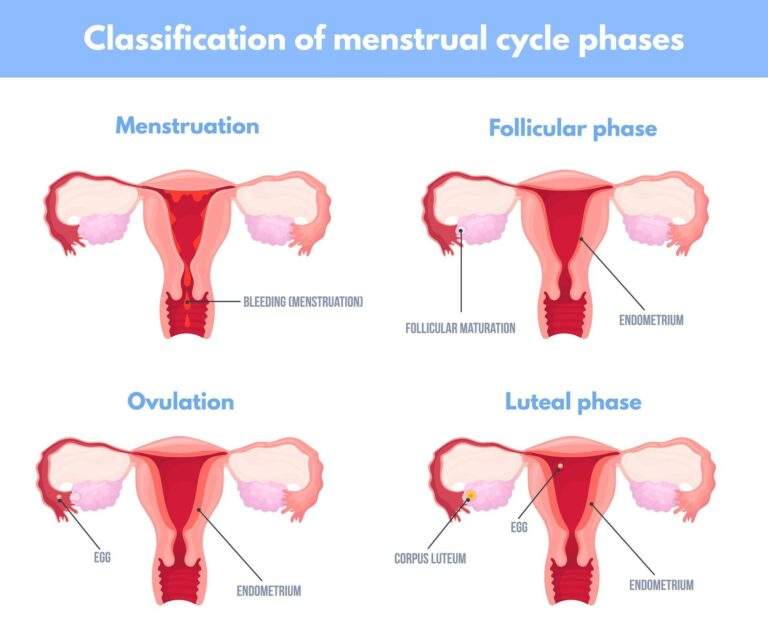
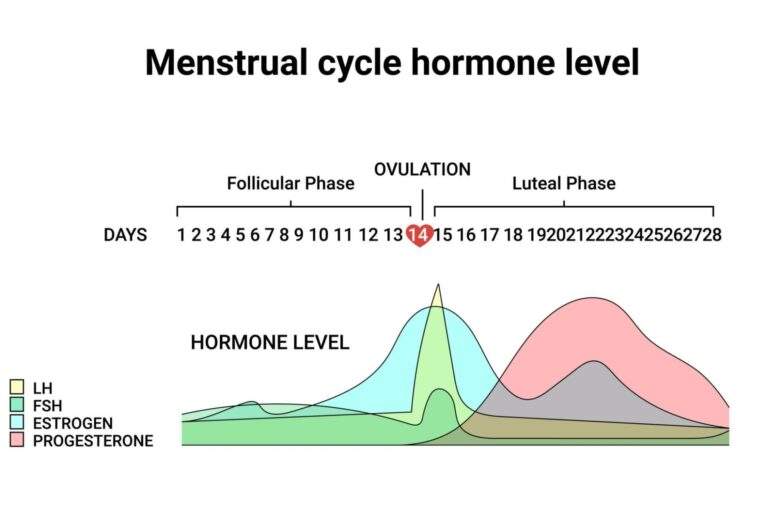
PMS usually occurs during the luteal phase of the menstrual cycle.
That is the phase after ovulation and before your period.
For most women:
- Symptoms begin 5 – 10 days before the period
- Symptoms peak 2 – 3 days before bleeding
- Symptoms improve once the period starts
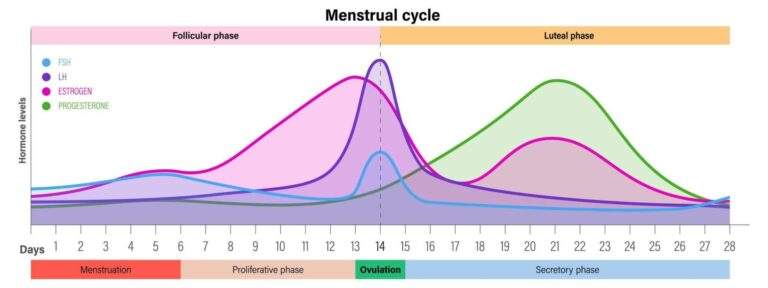
If symptoms start earlier, last longer, or worsen each month, this may not be “typical” PMS.
PMS Symptoms: A UK-Focused List
PMS symptoms vary widely.
Some women experience mild discomfort.
Others experience severe disruption to daily life.
Physical PMS Symptoms
- Bloating
- Breast tenderness
- Headaches or migraines
- Fatigue
- Cramping
- Constipation or diarrhoea
- Acne or skin flare-ups
- Sleep disturbance
Emotional PMS Symptoms
- Irritability
- Low mood
- Anxiety
- Tearfulness
- Anger
- Feeling overwhelmed
Mental PMS Symptoms
- Brain fog
- Poor concentration
- Low motivation
- Memory issues
Energy & Appetite Changes
- Sugar cravings
- Increased hunger
- Afternoon crashes
- Reduced exercise tolerance
If symptoms interfere with work, relationships, or wellbeing, they deserve attention.
What Causes PMS?
PMS is not caused by one single factor.
It is influenced by how your body responds to:
- Oestrogen and progesterone changes
- Neurotransmitters such as serotonin
- Blood sugar fluctuations
- Stress hormones
- Micronutrient levels
Even when hormone levels appear “normal”, the balance may not be optimal.
PMS vs PMDD: What’s the Difference?
PMDD stands for Premenstrual Dysphoric Disorder.
It is a more severe form of PMS.
Key differences:
- PMS symptoms are uncomfortable
- PMDD symptoms are often debilitating
- PMDD symptoms significantly affect daily function
Both conditions involve hormone sensitivity.
Neither should be ignored.
Is PMS Normal?
Mild PMS is common.
Severe PMS is not something you have to live with.
Consider further investigation if:
- Symptoms worsen each month
- Mood changes feel extreme
- Periods affect work or relationships
- Fatigue is persistent
- Supplements do not help
Testing can clarify what your body needs.
Blood Tests That Can Help PMS
Targeted blood testing helps identify common contributors to PMS.
Hormone Balance
- Oestradiol
- Progesterone
- LH and FSH (where appropriate)
Nutrient Levels
- Vitamin D
- Magnesium
- Vitamin B12
- Folate
- Iron studies
Thyroid Function
- TSH
- Free T4
Inflammation & Stress Markers
- CRP
- Cortisol (context-dependent)
Results help guide meaningful, personalised action.
PMS Support in the UK: What Actually Helps
Lifestyle advice alone is often incomplete.
Many women try supplements without knowing what they need.
Testing helps:
- Avoid unnecessary supplements
- Identify hidden deficiencies
- Understand hormone patterns
- Track changes over time
This approach is evidence-led and patient-centred.
When to Seek Help for PMS
You should seek further support if:
- PMS feels unmanageable
- Mood changes affect your mental health
- Symptoms do not improve with lifestyle changes
- You want clarity rather than guesswork
Early investigation often prevents years of frustration.
PMS Blood Testing in Central London
Marylebone Diagnostic Centre offers discreet, private blood testing for women’s health.
Why patients choose MDC
- Results within 24–42 hours depending on the test
- On-site consultant review
- Private suites
- Discreet & confidential care
- Optional teleconsultations for results
Location
- 73 Baker Street, London W1U 6RD
- 5-minute walk from Baker Street tube
Opening hours
- Monday–Saturday, 8:00–16:00
Contact
- +44 7495 970109
Book a PMS Blood Test – speak with our clinical team via WhatsApp or online chat during operational hours.
If PMS is affecting your quality of life, clarity is the first step.
Targeted blood testing can help explain symptoms and guide next steps.