Eggs do not mature in isolation. They depend on tightly coordinated hormonal signals.
Important hormones include:
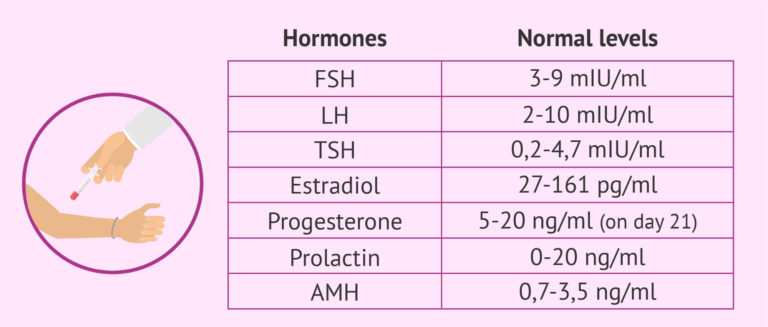
- LH – triggers final egg maturation and ovulation
- Progesterone – confirms ovulation and luteal support
- Prolactin – elevated levels can suppress ovulation
- Thyroid hormones (TSH, FT4) – essential for cycle regularity and egg competence
Disruption in these hormones has been linked in multiple studies to:
- Immature oocytes
- Failed fertilisation
- Early pregnancy loss
3. Metabolic & Androgen Influence
Conditions such as PCOS demonstrate how hormones affect egg development at a cellular level.
Relevant markers:
- Testosterone
- SHBG
- DHEA-S
- Insulin resistance indicators (optional)
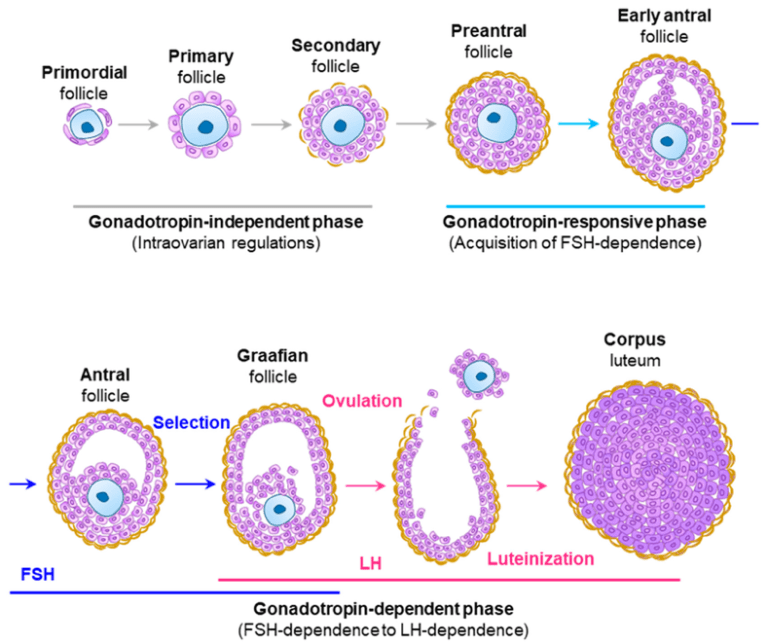
Excess androgens and metabolic stress alter follicular development, impacting egg maturation long before ovulation occurs.
What Blood Tests Cannot Tell Us
It’s important to be honest with patients. Blood tests cannot directly measure:
- Chromosomal normality
- Mitochondrial health
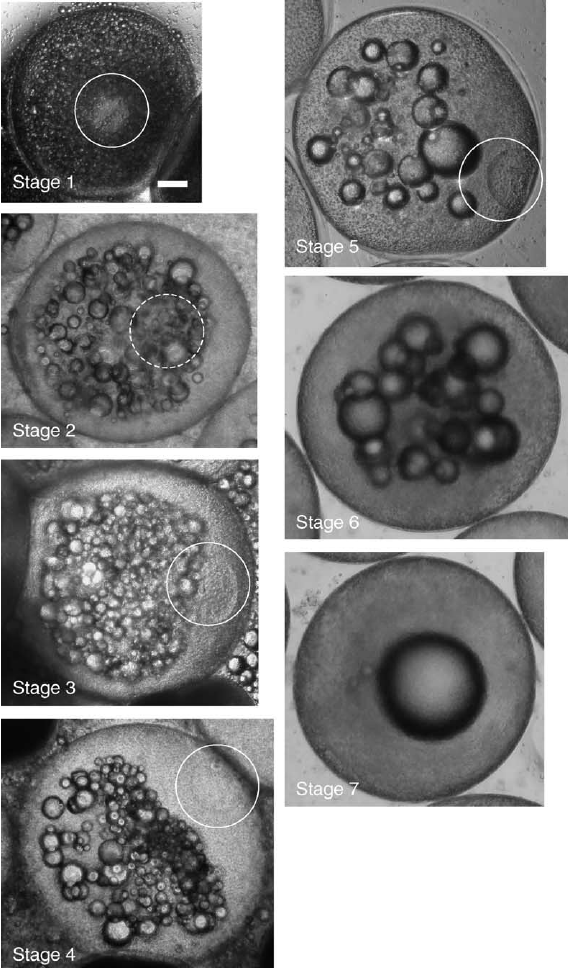
- Microscopic egg structures like the oocyte cortex
These features are studied in research laboratories using advanced imaging, not routine diagnostics. However, hormones strongly influence these cellular processes, which is why blood testing remains clinically powerful.
Why Egg Quality Is About Context, Not One Number
No single test defines egg quality. Modern fertility assessment relies on:
- Patterns, not isolated values
- Timing, not just reference ranges
- Combined interpretation, not standalone results
This is why comprehensive fertility panels outperform single tests and why specialist review matters.
How Marylebone Diagnostic Centre Approaches Fertility Testing
At Marylebone Diagnostic Centre, fertility testing is designed to reflect real reproductive biology, not marketing claims.
We focus on:
- Clinically validated markers
- Clear explanations
- Personalised interpretation
Common profiles include:
- Female Fertility Core Profile
- Ovulatory & Hormonal Health Panels
- PCOS & Androgen Profiles
- Combined Couple Fertility Assessments
All testing is discreet, fast, and performed to the Marylebone High Standard.
When Should You Consider Fertility Blood Testing?
You may benefit if:
- You are trying to conceive without success
- You are planning IVF or fertility preservation
- Your cycles are irregular
- You have PCOS or thyroid issues
- You want clarity rather than guesswork
Early testing provides information, not pressure.
Key Takeaway
Blood tests cannot look inside an egg — but they do reveal the hormonal and biological environment that determines whether eggs mature properly and embryos develop successfully.
Used correctly, fertility blood tests remain one of the most valuable tools in modern reproductive care.
📍 Marylebone Diagnostic Centre
Private Fertility Blood Testing in Central London
📍 73 Baker Street, London W1U 6RD
🚇 5-minute walk from Baker Street tube
⏱ Results within 24–42 hours (depending on the test)
📞 +44 7495 970109
🌐 marylebonediagnosticcentre.com
Book Now