Why Does an Erection Go Away During Sex? Causes, Solutions, and When to Get Tested in London
Reviewed by Dr Lauren Holland – Marylebone Diagnostic Centre, London
Private and discreet men’s health testing | Results in 24-42 hours | QC-validated accuracy
Losing an erection during sex is far more common than most men realise. It can happen suddenly, happen only with a partner, or happen during certain moments such as position changes or after a stressful day. Many men immediately assume something is badly wrong, but in most cases the cause is treatable.
Searches such as:
• “Why does my boyfriend’s erection go away?”
• “How to fix erectile dysfunction during sex?”
• “Is it normal to lose an erection after sex?”
• “Why can’t I stay hard for long?”
• “Why does my partner go soft halfway?”
are extremely common across London, especially among men aged 20–50.
Here is the full medical and psychological explanation, along with what tests can help identify the cause.
Is It Normal to Lose an Erection During Sex?
Yes. An erection is not a fixed response. It depends on your nervous system, hormones, emotions and blood flow. Any small disruption in these can cause the erection to fade.
It becomes worth investigating when the issue becomes frequent, unexpected, or stressful, or when it starts affecting confidence or relationships. A pattern of loss may indicate hormonal, cardiovascular, or psychological causes that benefit from early assessment.
Why Does an Erection Go Away?
Performance anxiety
This is the most common reason. When a man worries about performing well, the body releases adrenaline. Adrenaline shuts down the erection system instantly. Even one previous negative experience can trigger ongoing anxiety.
Stress and mental load
Work pressure, relationship concerns, financial stress, emotional tension, or even mild arguments earlier in the day can affect arousal. The brain controls sexual response more than people realise.
Low testosterone
Testosterone affects libido, energy, morning erections and the ability to stay hard.
MDC can test testosterone, free testosterone, SHBG, LH, FSH, prolactin and thyroid levels.
Blood flow problems
Erections rely on smooth blood flow. Anything that restricts circulation can reduce firmness.
This includes:
• High cholesterol
• High blood pressure
• Diabetes
• Early cardiovascular disease
Erectile dysfunction is often an early warning sign of underlying heart or vascular issues.
Porn-related desensitisation
Younger men in particular may struggle during real sex if their brain is conditioned to high-intensity stimulation from pornography.
Alcohol and smoking
Both reduce nerve sensitivity and blood flow to the penis.
Medications
Common medicines linked to erection difficulty include antidepressants, blood pressure drugs, and anxiety medication.
Relationship factors
Emotional distance, lack of connection, or unresolved conflict can affect desire and arousal.
Refractory period after ejaculation
After orgasm, the body naturally loses the erection. Some men recover in minutes, others need hours. Both patterns are normal.
How to Fix Erection Loss During Sex Without Medication
Reduce pressure
The more a man tries to “stay hard,” the harder it becomes. Reducing pressure helps the nervous system return to a relaxed state where erections happen naturally.
Slow the pace
Many men lose an erection when switching positions or when stimulation changes suddenly. Slower transitions help maintain arousal.
Improve sleep
Testosterone is repaired during sleep. Poor-quality sleep directly reduces libido and firmness.
Reduce alcohol
Even small amounts can significantly impact erection quality.
Take breaks from pornography
This helps restore sensitivity and arousal to real intimacy.
Correct nutritional deficiencies
Low vitamin D, magnesium, zinc or B-vitamins can worsen fatigue, low libido, and low mood.
When Erection Loss Should Be Taken Seriously
A medical review is recommended if any of the following apply:
• Erections are consistently softer than before
• You lose erection halfway and it keeps happening
• Morning erections have reduced
• Libido has decreased
• You feel unusually fatigued
• You have diabetes, high blood pressure or high cholesterol
• You feel anxious, stressed or low
• You are concerned for any reason
Marylebone Diagnostic Centre offers discreet, same-day men’s health testing to identify the cause quickly.
Recommended Tests at Marylebone Diagnostic Centre
Male Hormone Profile
Covers testosterone, free testosterone, LH, FSH, SHBG, prolactin and thyroid hormones. Useful if libido, mood or erections have changed recently.
Cardiac and Cholesterol Profile
Erectile changes can be a sign of cardiovascular disease. This test includes cholesterol, triglycerides, inflammation markers and glucose.
Diabetes Screening
High blood sugar damages blood vessels and affects erection quality.
Vitamin and Mineral Testing
Checks vitamin D, B12, magnesium and zinc, all linked with hormone balance and energy.
Semen Analysis (if fertility is also a concern)
Performed according to WHO guidelines. Results in 24–42 hours.
All blood test results follow QC-validated laboratory standards.
Is It Normal to Lose an Erection After Sex?
Yes. After orgasm, the body enters the refractory phase. Hormones such as prolactin increase briefly, causing the erection to drop naturally. Some men recover very quickly; others need more time. Both patterns are normal.
When to Seek Support
You should seek a professional assessment if:
• The problem keeps happening
• It is affecting your confidence
• You feel worried or confused about the cause
• You have symptoms of low testosterone
• You have cardiovascular risk factors
• You want clear medical answers
Marylebone Diagnostic Centre offers:
• Private rooms
• No GP referral
• Discreet appointments
• Same-day visits
• Results within 24–42 hours
• Clinical explanation – when requested
Book a Private Men’s Health Assessment
If you are experiencing erection loss or changes in performance, early assessment can make an enormous difference.

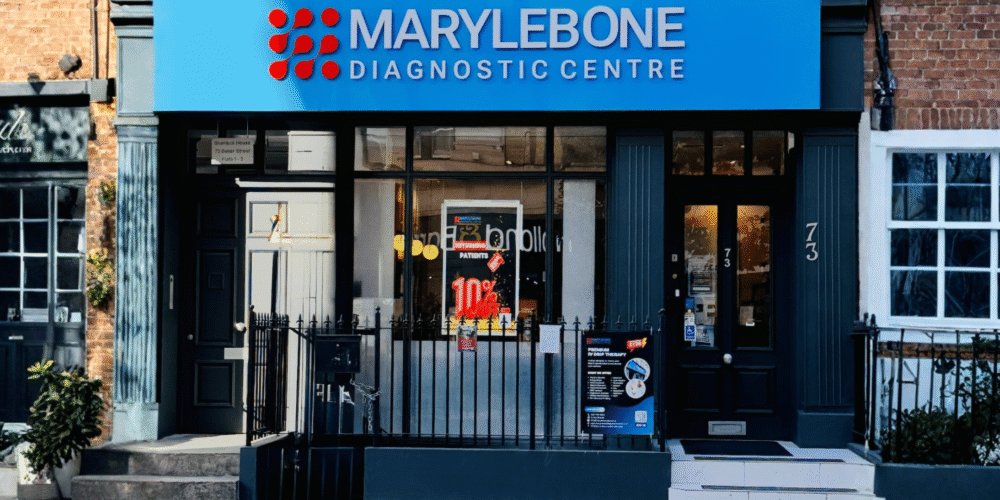
Marylebone Diagnostic Centre
73 Baker Street, London W1U 6RD
Monday–Saturday, 08:00–16:00
Call: +44 7495 970109