The Advanced Fatigue Blood Test Panel in Central London
Feeling tired all the time is not normal. Yet many people accept fatigue as part of modern life.
At Marylebone Diagnostic Centre, we see something different. Persistent tiredness is often a biological signal, not a lifestyle failure.
This guide explains:
Why you may feel exhausted
Which blood tests matter
What fatigue blood tests can (and cannot) diagnose
When tiredness needs proper medical investigation
Feeling Tired All the Time? You’re Not Alone
Fatigue is one of the most common reasons people book private blood tests in London.
People tell us:
“I wake up tired”
“Coffee no longer helps”
“My brain feels foggy”
“I sleep, but never feel rested”
Fatigue can affect:
Concentration
Mood
Hormones
Libido
Exercise tolerance
Work performance
Importantly, fatigue has many causes. Guessing rarely helps. Testing does.
What Does “Fatigue” Actually Mean Medically?
Fatigue is different from simple tiredness. Blood tests can help identify underlying internal drivers, even when symptoms feel vague.
Term
Meaning
Tiredness
Short-term, improves with rest
Fatigue
Persistent, disproportionate exhaustion
Chronic fatigue
Lasts longer than 6 months
Physical fatigue
Body weakness, low stamina
Mental fatigue
Brain fog, poor focus
Understanding the type of fatigue can guide targeted testing and personalised interventions.
Common Medical Causes of Fatigue
Fatigue often comes from multiple overlapping issues, not just one.
The most common causes we detect at MDC:
Iron deficiency (with or without anaemia)
Vitamin B12 or folate deficiency
Vitamin D deficiency
Thyroid dysfunction
Hormonal imbalance
Chronic inflammation
Liver or kidney stress
Blood sugar instability
Early insulin resistance
Many patients have normal GP bloods, yet still feel unwell. That is usually because the right markers were not checked.
The “Why Am I Tired?” Advanced Fatigue Panel – What We Test
Core Fatigue Blood Markers
This panel is designed to look beyond basic screening, identifying nutritional, hormonal, metabolic, and inflammatory drivers of persistent fatigue.
Test
Why It Matters
Full Blood Count (FBC)
Detects anaemia, infection patterns
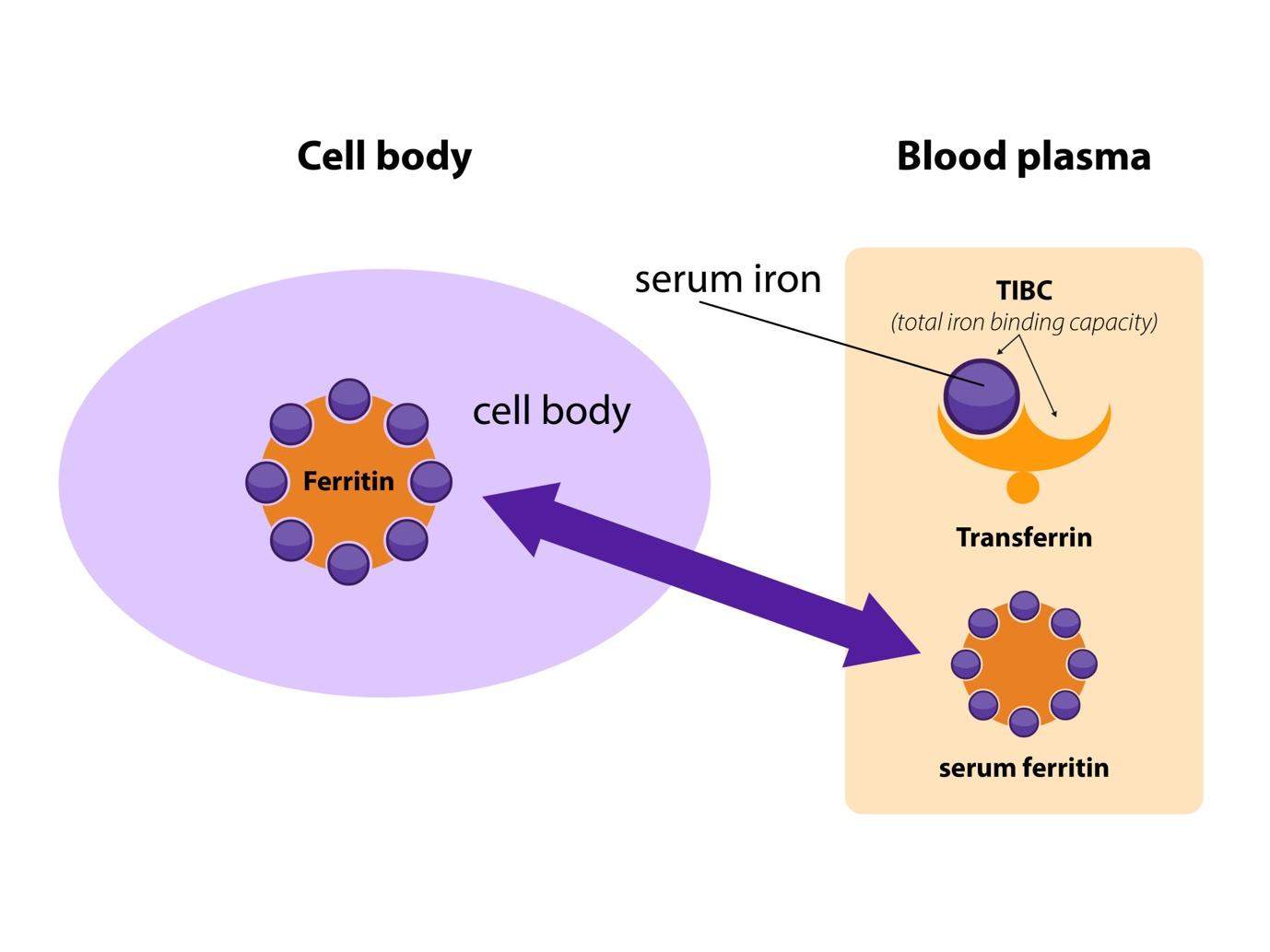
Ferritin
Iron stores (often missed)
Vitamin B12
Energy production, nerve function, cognition
Folate
Red blood cell formation
Vitamin D
Immune and muscle function
Thyroid Panel (TSH, FT4 ± FT3)
Metabolic and energy regulation
Liver Function Tests
Detoxification and metabolic load
Kidney Function (Urea, Creatinine, eGFR)
Fluid balance and toxin clearance
CRP
Systemic inflammation
HbA1c
Long-term blood sugar control
This combination provides a systems-level view of fatigue, helping clinicians identify correctable contributors rather than treating symptoms in isolation.
Why GP Blood Tests Often Miss the Cause of Fatigue
GP testing is designed for disease detection, not optimisation.
Common limitations:
Ferritin not tested unless anaemia is severe
“Normal” ranges are wide
Early deficiencies are dismissed
Symptoms are assessed separately from bloods
At MDC, we look at:
Functional ranges
Patterns, not isolated numbers
Symptoms alongside results
Fatigue often sits between normal and abnormal.
Iron Deficiency Without Anaemia – A Major Hidden Cause
You can have:
Normal haemoglobin
Low ferritin
Severe fatigue
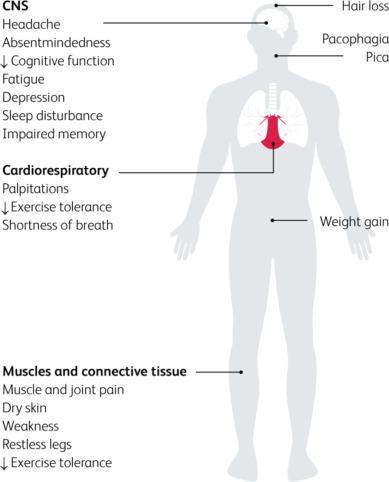
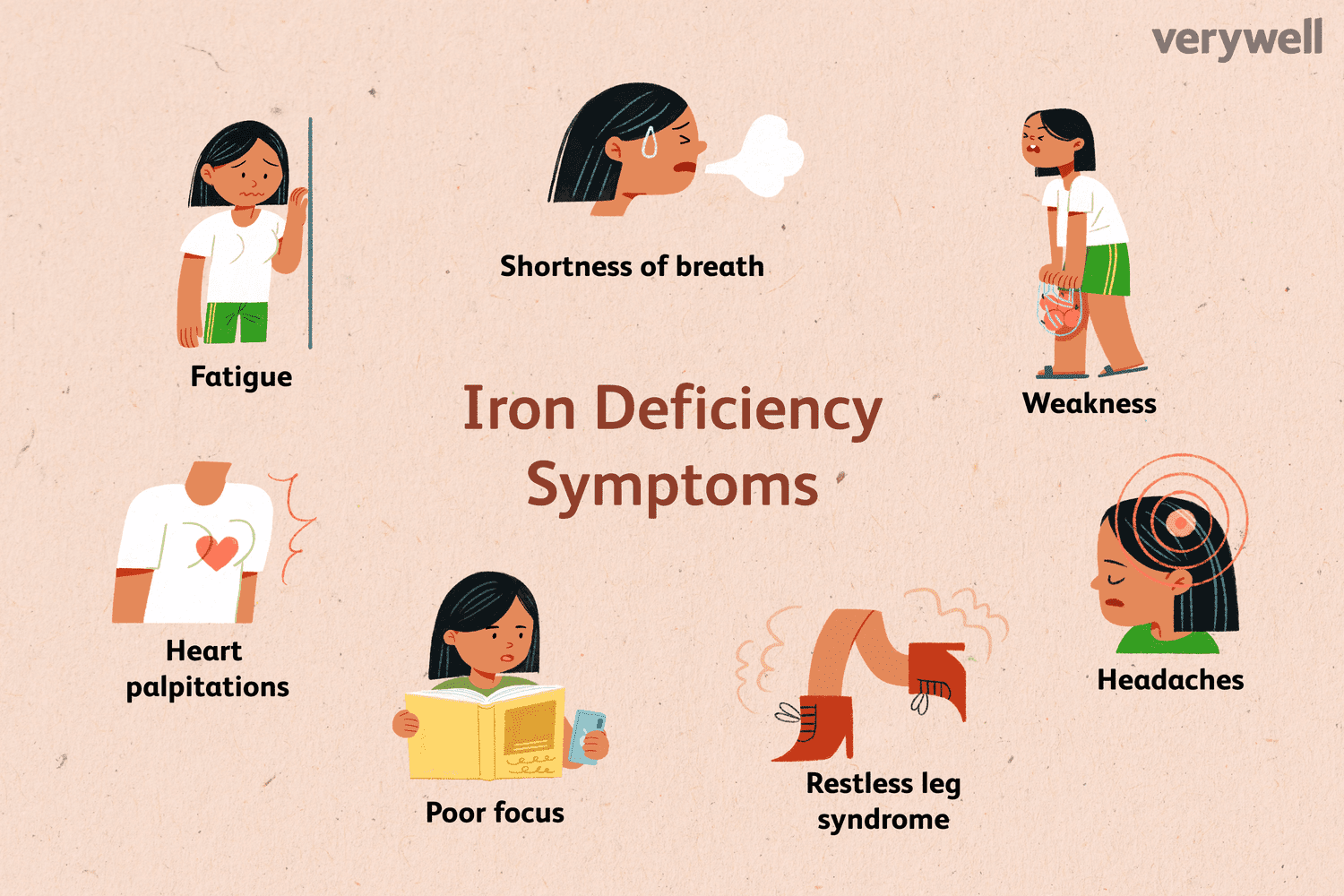
Low iron stores affect:
Oxygen delivery
Brain function
Exercise tolerance
Mood stability
This is especially common in:
Women
Vegetarians
Endurance athletes
People with gut absorption issues
Ferritin testing is essential.
Vitamin B12 & Folate – Energy at a Cellular Level
Vitamin B12 deficiency may cause:
Fatigue
Brain fog
Pins and needles
Memory problems
Importantly:
Levels can be “low-normal” and still symptomatic
Absorption issues are common
Long-term deficiency affects nerves
Folate works alongside B12. Testing one without the other gives an incomplete picture.
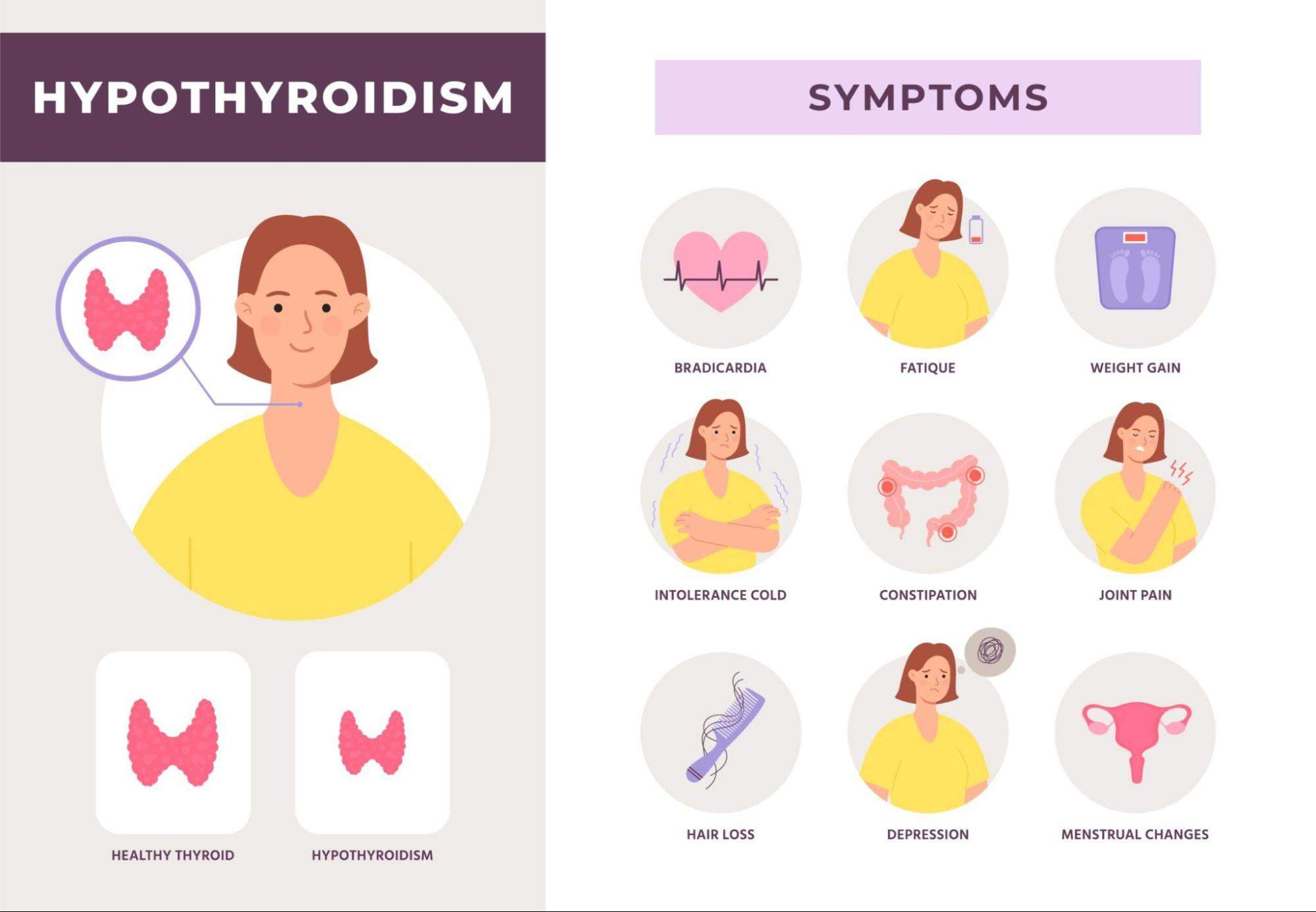
Thyroid Problems and Fatigue
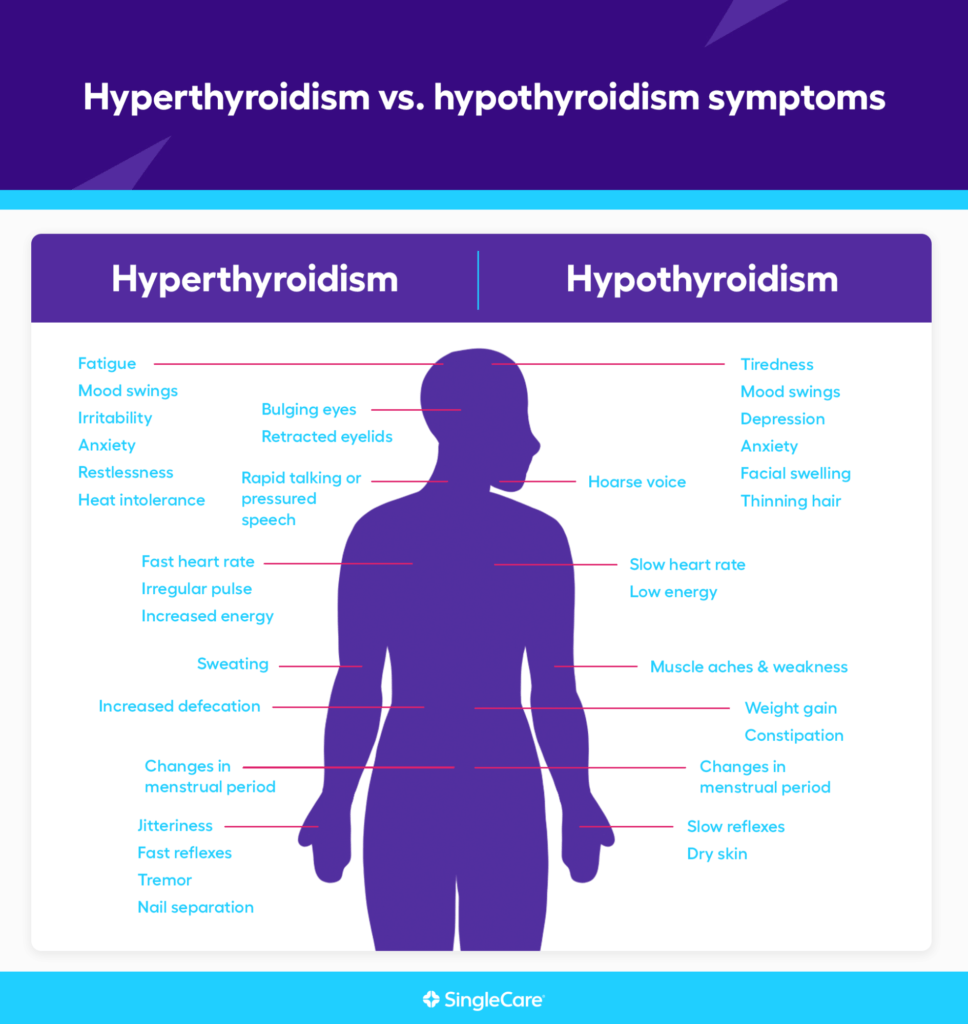
Your thyroid controls:
Energy production
Body temperature
Weight regulation
Heart rate
Even mild thyroid dysfunction can cause:
Exhaustion
Cold intolerance
Brain fog
Low mood
Many patients have:
“Normal” TSH
Sub-optimal FT4 or FT3
Ongoing symptoms
That is why complete thyroid panels matter.
Hormones and Fatigue (Men & Women)
Hormonal imbalance is a major fatigue driver.
In men:
Low testosterone
High SHBG
Cortisol dysregulation
In women:
Oestrogen imbalance
Progesterone deficiency
Perimenopausal hormone shifts
Fatigue is often the first symptom, long before cycles change or libido drops.
Hormone testing can be added to your fatigue panel when appropriate.
Inflammation, Liver & Metabolic Stress
Low-grade inflammation drains energy.
CRP helps identify:
Chronic inflammatory load
Overtraining
Metabolic stress
Liver and kidney markers matter because:
Detoxification uses energy
Hormones are metabolised in the liver
Metabolic overload causes fatigue
This is especially relevant for:
High-stress professionals
GLP-1 users
People on long-term medication
What This Panel Can and Cannot Tell You
This panel CAN:
Identify biological causes of fatigue
Detect deficiencies early
Guide targeted treatment
Reduce trial-and-error supplements
This panel CANNOT:
Diagnose chronic fatigue syndrome alone
Replace full clinical assessment
Identify sleep disorders directly
Diagnose mental health conditions
Blood tests are a starting point, not the whole story.
When Should You Book a Fatigue Blood Test?
You should consider testing if fatigue lasts:
Longer than 4–6 weeks
Despite rest
Despite good sleep
Despite “normal” GP tests
Especially if you have:
Brain fog
Low motivation
Poor exercise recovery
Mood changes
Weight changes
Why Choose Marylebone Diagnostic Centre?
Results within 24–42 hours
On-site consultant review
Private suites
Discreet and confidential care
CQC-accredited and aligned with Marylebone High Standard
Optional teleconsultations for results
📍73 Baker Street, London W1U 6RD 🚇 5-minute walk from Baker Street tube 🕗 Monday–Saturday, 8:00–16:00 📞 +44 7495 970109
Frequently Asked Questions
Stress can worsen fatigue, but blood tests often reveal underlying contributors such as nutrient deficiencies, inflammation, or hormonal imbalance.
Not always. Many fatigue drivers sit within reference ranges and require clinical interpretation.
Most fatigue panels return results within 24–42 hours, depending on the test profile.
Yes. Hormone testing is commonly added based on symptoms and clinical context.
We use cookies on our website to give you the most relevant experience by remembering your preferences and repeat visits. By clicking “Accept All”, you consent to the use of ALL the cookies. However, you may visit "Cookie Settings" to provide a controlled consent.
This website uses cookies to improve your experience while you navigate through the website. Out of these, the cookies that are categorized as necessary are stored on your browser as they are essential for the working of basic functionalities of the website. We also use third-party cookies that help us analyze and understand how you use this website. These cookies will be stored in your browser only with your consent. You also have the option to opt-out of these cookies. But opting out of some of these cookies may affect your browsing experience.
Necessary cookies are absolutely essential for the website to function properly. These cookies ensure basic functionalities and security features of the website, anonymously.
Cookie
Duration
Description
cookielawinfo-checkbox-advertisement
1 year
Set by the GDPR Cookie Consent plugin, this cookie is used to record the user consent for the cookies in the "Advertisement" category .
cookielawinfo-checkbox-analytics
11 months
This cookie is set by GDPR Cookie Consent plugin. The cookie is used to store the user consent for the cookies in the category "Analytics".
cookielawinfo-checkbox-functional
11 months
The cookie is set by GDPR cookie consent to record the user consent for the cookies in the category "Functional".
cookielawinfo-checkbox-necessary
11 months
This cookie is set by GDPR Cookie Consent plugin. The cookies is used to store the user consent for the cookies in the category "Necessary".
cookielawinfo-checkbox-others
11 months
This cookie is set by GDPR Cookie Consent plugin. The cookie is used to store the user consent for the cookies in the category "Other.
cookielawinfo-checkbox-performance
11 months
This cookie is set by GDPR Cookie Consent plugin. The cookie is used to store the user consent for the cookies in the category "Performance".
CookieLawInfoConsent
1 year
Records the default button state of the corresponding category & the status of CCPA. It works only in coordination with the primary cookie.
PHPSESSID
1 month
This cookie is native to PHP applications. The cookie is used to store and identify a users' unique session ID for the purpose of managing user session on the website. The cookie is a session cookies and is deleted when all the browser windows are closed.
viewed_cookie_policy
11 months
The cookie is set by the GDPR Cookie Consent plugin and is used to store whether or not user has consented to the use of cookies. It does not store any personal data.
Functional cookies help to perform certain functionalities like sharing the content of the website on social media platforms, collect feedbacks, and other third-party features.
Cookie
Duration
Description
mailchimp_landing_site
1 month
The cookie is set by MailChimp to record which page the user first visited.
Performance cookies are used to understand and analyze the key performance indexes of the website which helps in delivering a better user experience for the visitors.
Analytical cookies are used to understand how visitors interact with the website. These cookies help provide information on metrics the number of visitors, bounce rate, traffic source, etc.
Cookie
Duration
Description
_ga
2 years
The _ga cookie, installed by Google Analytics, calculates visitor, session and campaign data and also keeps track of site usage for the site's analytics report. The cookie stores information anonymously and assigns a randomly generated number to recognize unique visitors.
_ga_6BJZ8M2EF7
2 years
This cookie is installed by Google Analytics.
_gat_gtag_UA_218103781_1
1 minute
Set by Google to distinguish users.
_gid
1 day
Installed by Google Analytics, _gid cookie stores information on how visitors use a website, while also creating an analytics report of the website's performance. Some of the data that are collected include the number of visitors, their source, and the pages they visit anonymously.
Advertisement cookies are used to provide visitors with relevant ads and marketing campaigns. These cookies track visitors across websites and collect information to provide customized ads.