Painful urination, bladder pain or blood in the urine after ketamine use should never be ignored.
Recent reporting about bladder injuries in young people has highlighted a serious health concern. NHS services, including Alder Hey, provide specialist care for children affected by ketamine-related harm. [5]
At Marylebone Diagnostic Centre, we want to help people understand the symptoms, seek appropriate care and recognise what testing can—and cannot—tell them. You deserve support without judgment.
Ketamine and urinary health: your questions answered
What is “ketamine bladder”?
Ketamine can injure the bladder lining, causing inflammation and scarring. The bladder may become painful and hold less urine. The damage can also involve the ureters and kidneys, which is why clinicians use the term ketamine urinary tract syndrome. [1]
What warning signs should I look for?
Symptoms include needing to urinate frequently or urgently, waking at night to urinate, leakage, bladder pain and burning when passing urine. Blood or unusual material may appear in the urine. These symptoms need assessment rather than self-diagnosis. [1]
Is it always a urinary tract infection?
No. Ketamine-related inflammation can resemble a UTI, and infection can also coexist. A urine culture checks for bacterial infection; a negative culture does not exclude ketamine-related injury. Antibiotics do not treat chemical damage itself. [2]
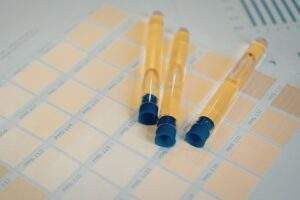
What can urine analysis and microscopy show?
These tests can identify blood, inflammatory cells and other abnormalities. They support assessment but cannot confirm ketamine as the cause or measure the extent of bladder damage on their own. [2]
Which blood tests might a clinician request?
Kidney function tests assess creatinine and electrolytes. Liver blood tests and a full blood count may also be appropriate. Results help guide further investigation but cannot establish the cause of an abnormality alone. [2]
Can normal blood tests rule out bladder damage?
No. Bladder injury can exist while kidney blood results remain normal. Persistent symptoms may need imaging and urological assessment, even when initial laboratory tests are reassuring. [2]
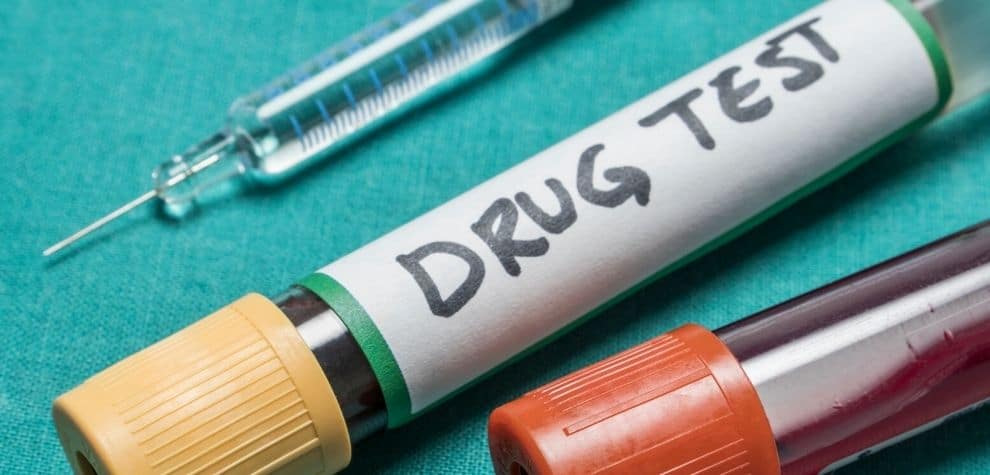
Can a drug test tell whether my bladder is damaged?
No. A ketamine-specific urine test checks for exposure, not organ damage. Detection depends on the test and timing. A negative result does not exclude past use or lasting injury. Confirm that ketamine is included before requesting a drug screen. [2]
Can the bladder recover?
Stopping recreational ketamine use gives the best chance of improvement, but established damage may persist and need specialist treatment. Do not take more ketamine to numb bladder pain: it can worsen the injury. [1]
You do not need to manage this alone
If stopping feels difficult, speak to your GP or a local drug and alcohol service. Seek medical help for urinary symptoms even if you are still using ketamine. FRANK provides information and routes to support .
Testing is not treatment. Drinking extra water, taking supplements or having an IV drip cannot be relied on to prevent or reverse ketamine-related injury.
Prescribed ketamine or esketamine: report urinary symptoms promptly to your prescribing team. Discuss treatment changes with them rather than adjusting your prescribed treatment yourself. [7]
Advice for parents and carers
Approach the conversation calmly. Ask about pain, changes in toilet habits and emotional wellbeing, and listen without blame. Avoid making a home drug test the focus: symptoms and safety need attention regardless of the result.
Children and teenagers with suspected ketamine-related harm should be assessed through their GP, urgent care or an appropriate paediatric service. Care may involve both urinary specialists and support for substance use and mental health. [5]
MDC does not replace a specialist children’s ketamine service. Contact us before arranging testing for anyone under 18 so age suitability, consent and the appropriate care arrangements can be confirmed.
How MDC can support appropriate investigation
MDC provides urine testing and blood investigations that can contribute to a clinician-led assessment. The right tests depend on your symptoms, history and any existing results.
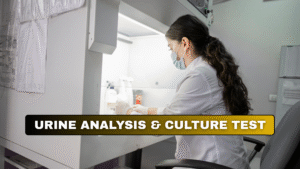
Our urine analysis and culture service can help investigate urinary abnormalities and infection. You can also explore our blood tests and profiles for kidney and liver investigations.
Tell the clinician about ketamine and any other substances or medicines used. Before testing, agree who will review the results and arrange further care. Persistent symptoms should not be managed through repeated tests alone.
Contact us to confirm test suitability, availability, fees and turnaround. For urgent symptoms, use NHS urgent or emergency services.
Find us on Baker Street
Marylebone Diagnostic Centre73 Baker Street
London W1U 6RD
Please confirm the appropriate appointment before visiting.