
Heavy periods are common. However, extremely heavy bleeding is not normal. Many women assume they must “just cope.” In reality, heavy menstrual bleeding can signal an underlying issue.
At Marylebone Diagnostic Centre, we investigate the hormonal and medical causes of heavy periods using targeted blood testing.
What Is Considered a Heavy Period?
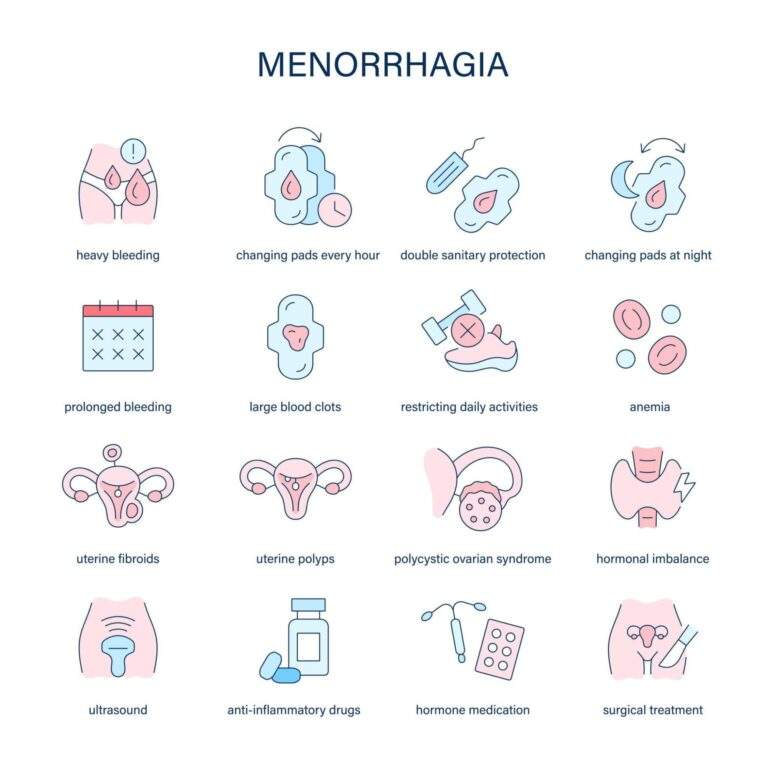
A period may be heavy if you:
- Soak through pads or tampons every 1–2 hours
- Pass large blood clots
- Bleed longer than 7 days
- Feel weak or dizzy during your cycle
- Need to wake at night to change protection
Clinically, this is known as menorrhagia. Heavy bleeding should always be assessed if it disrupts daily life.

Why Is My Period So Heavy?
There are several possible causes.
- Hormonal Imbalance
Oestrogen and progesterone must remain balanced. If oestrogen dominates, the uterine lining thickens excessively. This can lead to heavier shedding. Low progesterone can also worsen bleeding.
- Thyroid Dysfunction
An underactive or overactive thyroid affects menstrual flow.
Thyroid imbalance may cause:
- Heavy bleeding
- Irregular cycles
- Fatigue
- Weight changes
A simple blood test can assess this.
- Iron Deficiency
Heavy periods can cause iron loss.
Iron deficiency can then worsen fatigue and dizziness.
Low ferritin levels are common in women with heavy cycles.
- Inflammatory Conditions
Conditions such as endometriosis or adenomyosis may increase bleeding.
Blood tests cannot diagnose these directly.
However, inflammatory markers may support further evaluation.
- Fibroids or Structural Causes
Uterine fibroids can cause prolonged or heavy bleeding.
In such cases, imaging may be recommended.
Heavy Period Blood Clots: Should I Be Worried?
Passing small clots can be normal.
However, large or frequent clots may indicate:
- Excessive lining build-up
- Hormonal imbalance
- High inflammatory activity
If clots are larger than a 50p coin, medical review is sensible.
When Should You Seek Medical Advice?
Seek assessment if:
- Bleeding interferes with work or school
- You feel faint or short of breath
- You develop severe pelvic pain
- Bleeding suddenly becomes heavier than usual
Early testing prevents complications.
What Blood Tests Help Investigate Heavy Periods?
At MDC, we offer targeted screening for heavy menstrual bleeding.
Hormone Testing
- FSH
- LH
- Oestradiol
- Progesterone
- Prolactin
- Testosterone
- SHBG
Thyroid Function
- TSH
- Free T4
- Free T3
Iron & Anaemia Screening
- Full Blood Count
- Ferritin
Inflammatory Markers
- CRP
- ESR
Results return within 24 – 42 hours depending on the test.
Can Heavy Periods Affect Fertility?
Yes.
Severe hormonal imbalance can disrupt ovulation.
Iron deficiency may also impact overall reproductive health.
If you are trying to conceive, a combined hormone and fertility panel may be recommended.
We also offer a Fertility Readiness Check and AMH testing at Marylebone Diagnostic Centre.
Why Choose Marylebone Diagnostic Centre?
- Results within 24–42 hours depending on the test
- On-site consultant review
- Private suites
- Discreet & confidential care
- CQC-accredited and aligned with Marylebone High Standard
- Optional teleconsultations for results
MDC uses QCMD quality assurance to ensure all test results meet the Marylebone High Standard.
Book a Heavy Period Blood Test in London
If your period feels excessive, painful or exhausting, it deserves investigation.
You do not need a GP referral.
📍 73 Baker Street, London W1U 6RD
📞 +44 7495 970109
🕘 Monday–Saturday, 8:00–16:00
🚇 5-minute walk from Baker Street tube