
Severe PMS symptoms can feel overwhelming.
Many women describe rage, anxiety, exhaustion, or feeling unlike themselves.
If PMS is affecting your work, relationships, or mental health, it deserves attention.
This guide explains why PMS can become extreme, how to tell PMS from PMDD, and what actually helps.
Why Are My PMS Symptoms So Extreme?
Severe PMS is rarely random.
It often relates to how your body responds to hormonal changes, not just hormone levels.
Common contributors include:
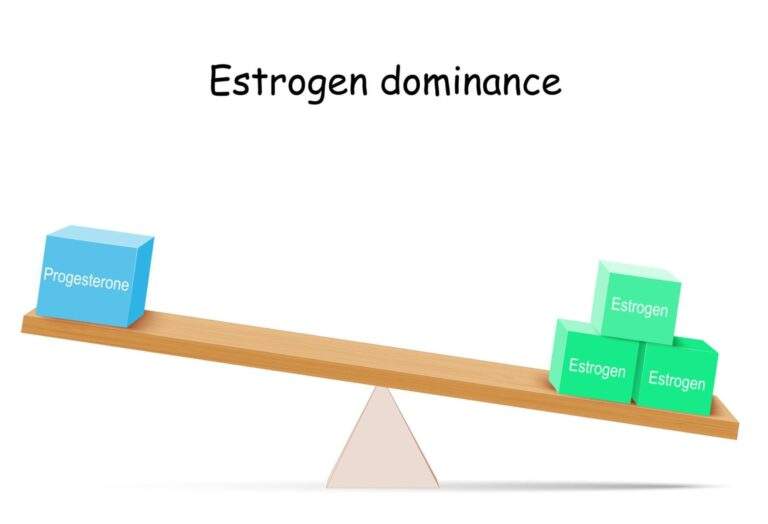
- Oestrogen and progesterone imbalance
- Increased sensitivity to normal hormone shifts
- Low serotonin response
- Blood sugar instability
- Vitamin and mineral deficiencies
- Chronic stress and poor sleep
Even small hormonal changes can feel intense if the body is already under strain.
When Do Severe PMS Symptoms Start?
Many women notice symptoms:
- 7–10 days before their period
- Or suddenly 1 week before bleeding
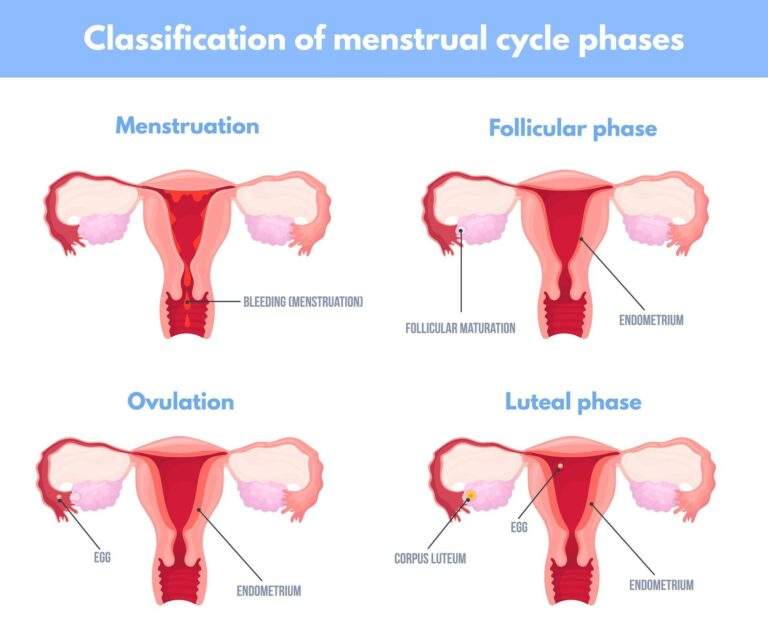
This timing matches the luteal phase, when progesterone should calm the nervous system.
If progesterone support is weak, symptoms may escalate.

How Bad Can PMS Mood Swings Be?
PMS mood swings can range from mild irritability to severe emotional distress.
Some women experience:
- Sudden anger or rage
- Crying spells
- Anxiety or panic
- Feeling out of control
- Social withdrawal
- Low self-worth
If mood changes feel extreme or frightening, they should not be dismissed.
How to Calm PMS Rage
PMS rage is real and biological.
Helpful strategies include:
- Stabilising blood sugar with regular meals
- Improving sleep consistency
- Reducing caffeine and alcohol before periods
- Magnesium support where deficient
- Stress reduction before symptoms peak
When rage feels unmanageable, testing is often more helpful than guesswork.
Bad PMS Symptoms All of a Sudden: Why It Happens
A sudden worsening of PMS can occur due to:
- Increased stress
- Weight loss or dieting
- New exercise intensity
- Hormonal contraception changes
- Perimenopausal hormone shifts
- Vitamin depletion
Sudden changes are a strong reason to investigate further.
Does PMS Get Worse as You Age?
For many women, PMS can worsen with age.
This is common in:
- Late 30s and 40s
- Early perimenopause
- Periods of hormonal fluctuation
Hormones may fluctuate more unpredictably, even with regular cycles.
Uncommon PMS Symptoms
Not all PMS symptoms are obvious.
Less common symptoms include:
- Brain fog
- Dizziness
- Heart palpitations
- Increased sensitivity to noise or light
- Digestive changes
- Joint pain
- Skin tingling or itching
These are often linked to nutrient deficiencies or stress hormones.
PMS vs PMDD: How to Tell the Difference
PMDD (Premenstrual Dysphoric Disorder) is a severe form of PMS.
PMS
- Symptoms are uncomfortable
- Daily life continues, though harder
- Mood improves with the period
PMDD
- Symptoms are intense and disruptive
- Emotional symptoms dominate
- Functioning is significantly impaired
- Symptoms resolve shortly after bleeding begins
Both conditions involve hormone sensitivity.
What Are the 11 Symptoms of PMDD?
PMDD symptoms may include:
- Severe mood swings
- Anger or irritability
- Depression or hopelessness
- Anxiety or tension
- Feeling overwhelmed
- Difficulty concentrating
- Fatigue
- Appetite changes
- Sleep disturbance
- Physical pain or bloating
- Loss of interest in usual activities
Not everyone experiences all symptoms.
How Do You Snap Out of PMDD?
PMDD is not about willpower.
Helpful steps often include:
- Understanding hormone patterns
- Addressing deficiencies
- Supporting nervous system balance
- Tracking symptoms across cycles
- Medical review when appropriate
Early investigation can dramatically reduce suffering.
What Vitamins Help PMS and PMDD?
Certain deficiencies are common in severe PMS and PMDD.
Blood testing may assess:
- Magnesium
- Vitamin B6
- Vitamin D
- Vitamin B12
- Iron and ferritin
Supplementing blindly is less effective than targeted support.
How to Reduce PMS Symptoms Naturally
Natural support works best when personalised.
Common foundations include:
- Consistent sleep routines
- Balanced meals
- Gentle exercise
- Stress management
- Correcting deficiencies
Testing helps guide what your body actually needs.
When to See a GP About PMS
You should seek further support if:
- Symptoms worsen each month
- Mood changes affect relationships
- PMS impacts work or daily life
- You feel unlike yourself before periods
- Symptoms appear suddenly or severely
Early assessment can prevent long-term distress.
Blood Tests That Can Help Severe PMS
Targeted testing may include:
- Oestradiol and progesterone
- Thyroid function
- Vitamin D and magnesium
- Iron and B12
- Inflammation markers
This helps move from uncertainty to clarity.
Severe PMS Testing in Central London
Marylebone Diagnostic Centre offers private women’s health blood testing in central London.
Why choose Marylebone Diagnostic Centre
- Results within 24–42 hours depending on the test
- On-site consultant review
- Private suites
- Discreet & confidential care
- CQC-accredited and aligned with the Marylebone High Standard
- Optional teleconsultations for results
Address
- 73 Baker Street, London W1U 6RD
- 5-minute walk from Baker Street tube
Opening hours
- Monday–Saturday, 8:00–16:00
Contact
- +44 7495 970109
Book a Severe PMS Blood Test
Severe PMS is not something you have to tolerate.
Understanding your hormones and nutrient levels is often the first step to relief.