
Period Changes After Weight Loss - What’s Normal and What’s Not
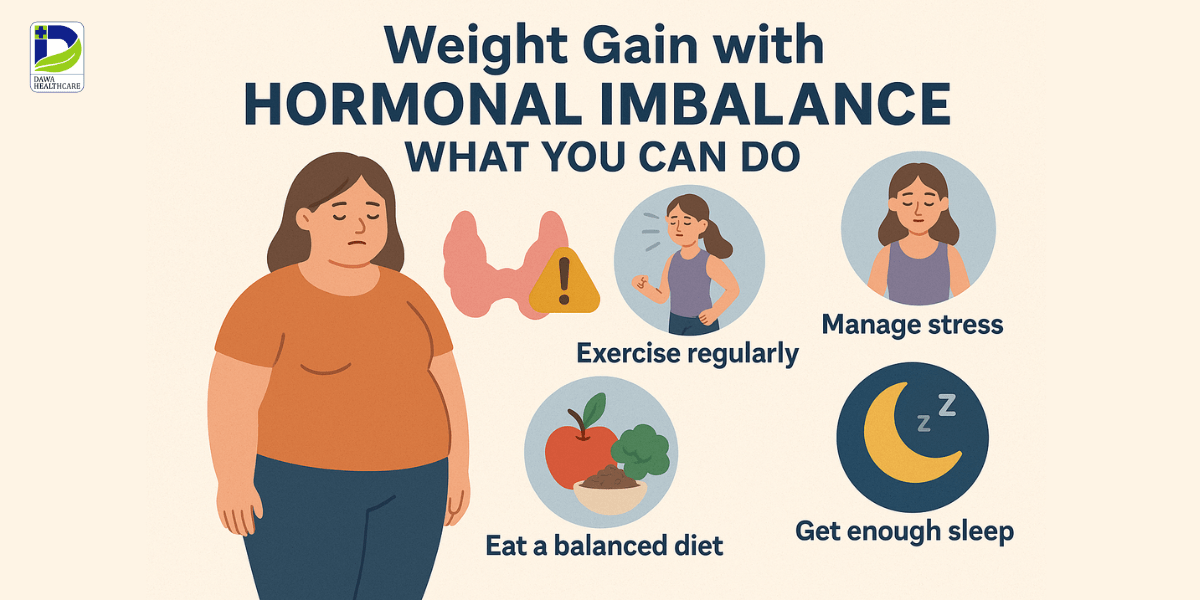
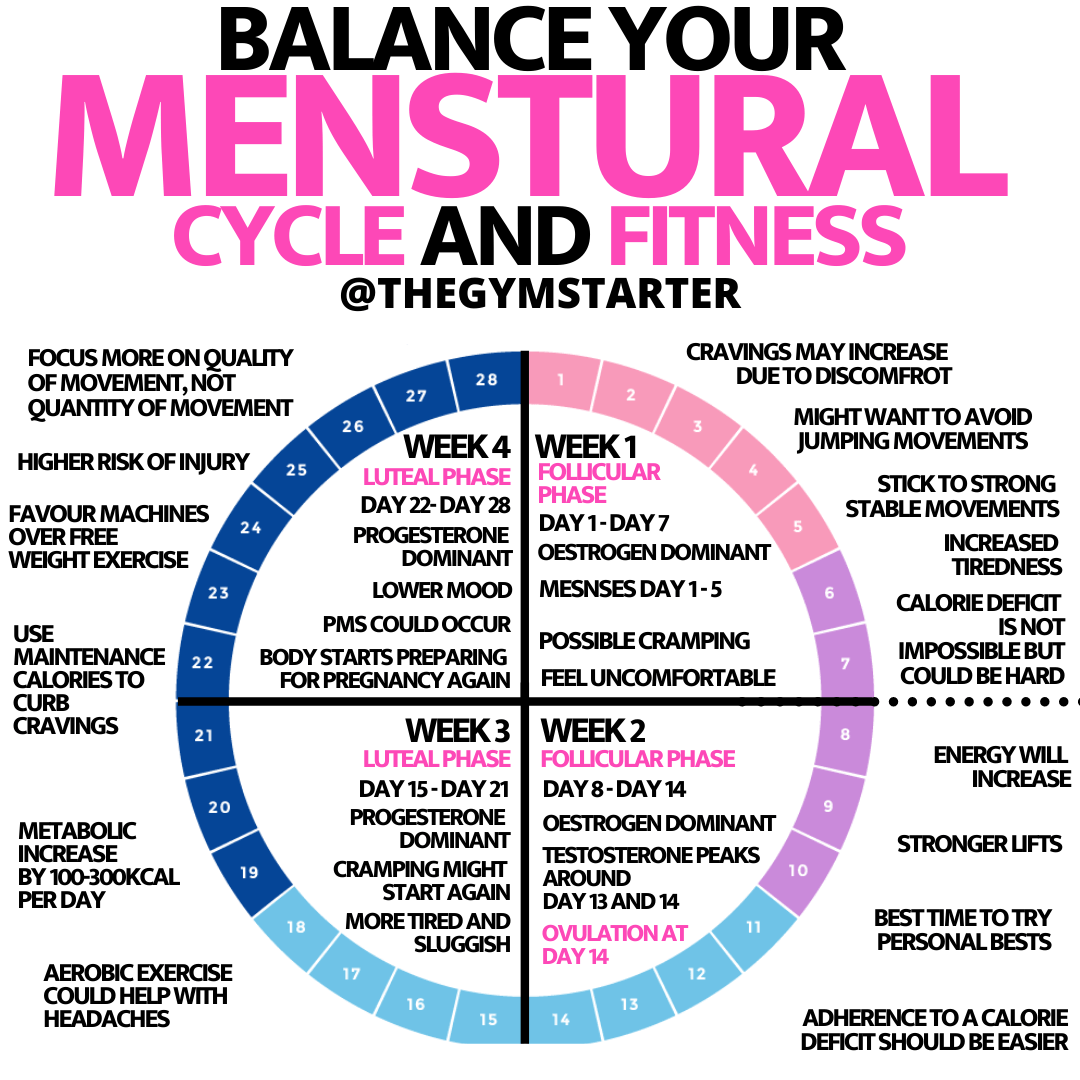
Weight loss can improve health, energy, and confidence. However, changes in diet, fat loss, or rapid weight reduction can affect your menstrual cycle.
This guide explains why periods change after weight loss, what is normal, and when to investigate further.
Can Weight Loss Affect Your Period?
Yes. Weight loss can affect periods because hormones rely on:
- Body fat
- Energy availability
- Stress balance
When weight drops - especially quickly - hormone signalling may change.
What Part of the Body Changes First When Losing Weight?
Weight loss often affects:
- Water weight first
- Fat stores later
- Hormone-producing fat tissue (important for oestrogen balance)
Hormonal shifts may occur before visible weight changes.
How Does Weight Loss Change Periods?
Common changes include:
- Delayed periods
- Lighter bleeding
- Missed periods
- Spotting
- Shorter or longer cycles
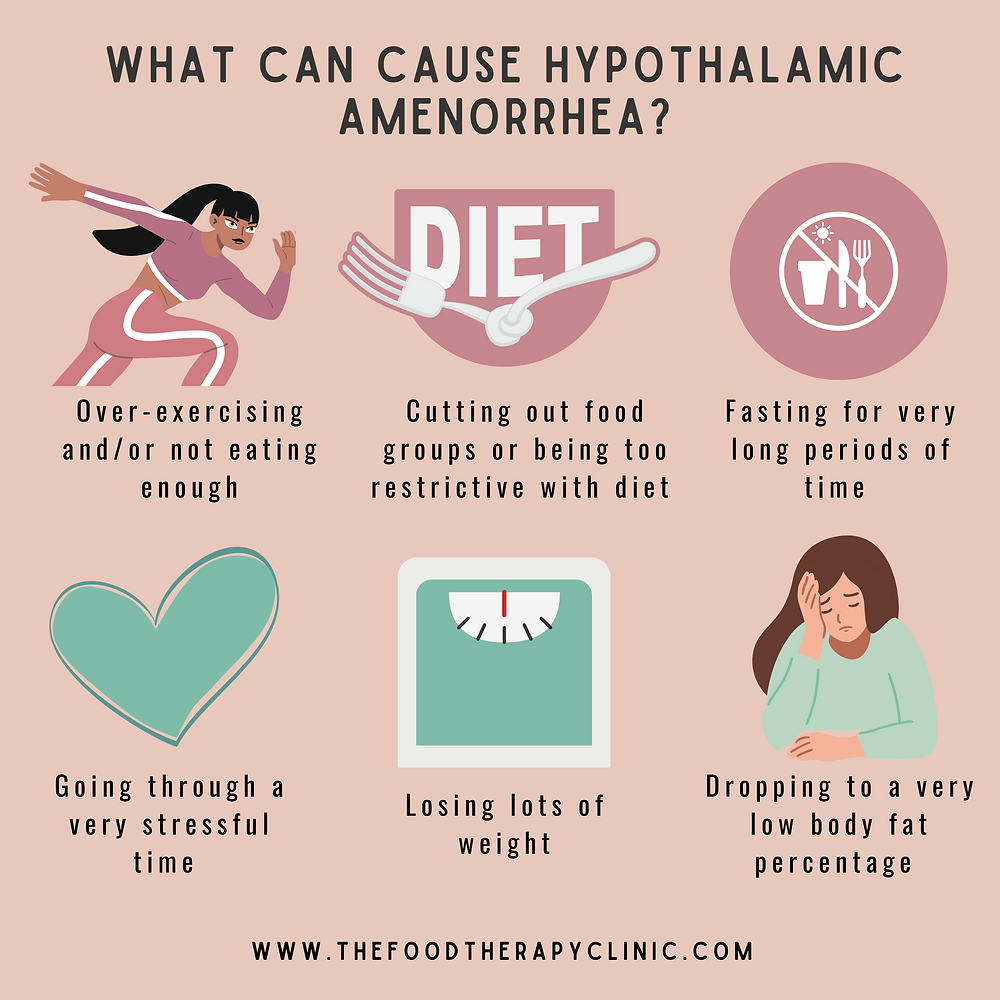
These changes are more likely with: Rapid weight loss, Calorie restriction, Intense exercise, High stress.
Does Losing Weight Make Periods Lighter?
Often, yes. Reduced body fat may lead to:
- Lower oestrogen levels
- Thinner uterine lining
- Lighter or shorter periods
This can be normal if cycles remain regular.
Can Losing Weight Cause Heavy Periods?
Sometimes. Hormonal fluctuations during weight loss may cause:
- Irregular shedding
- Temporary heavier bleeding
- Breakthrough bleeding
Persistent heavy bleeding should be checked.
Can Rapid Weight Loss Cause Menstrual Bleeding?
Yes - but patterns vary. Rapid weight loss may cause:
- Spotting between periods
- Irregular bleeding
- Cycle disruption
This is more common when weight loss is sudden or extreme.
Can Weight Loss Cause Spotting Between Periods?
Yes. Spotting may occur due to:
- Hormonal imbalance
- Stress-related cortisol changes
- Low oestrogen levels
Spotting that continues should be assessed.
I Lost My Period Due to Weight Loss – Why?
This is called amenorrhoea. Amenorrhoea after weight loss happens when:
- Energy intake is too low
- Body fat drops below hormonal needs
- Stress hormones rise
The body may temporarily pause ovulation.
What Is Amenorrhoea After Weight Loss?
Amenorrhoea means absence of periods for 3 months or more. It may be linked to:
- Rapid dieting
- Over-exercising
- Stress
- Hormonal disruption
Early evaluation is important for long-term health.
How Long to Get Your Period Back After Weight Loss?
For many people:
- Periods return within weeks to months
- Weight stabilisation helps
- Stress reduction supports recovery
Long delays need investigation.
How to Get Your Period Back After Weight Loss
Helpful steps may include:
- Eating regular, balanced meals
- Avoiding extreme calorie restriction
- Reducing excessive exercise
- Managing stress
- Allowing time for recovery
There is no safe instant method to restart periods.
Can a Diet Change Your Period?
Yes. Diet changes can affect:
- Cycle length
- Bleeding amount
- Ovulation timing
Low-carb, fasting, or restrictive diets are common triggers.
What Is the 3-3-3 Rule for Weight Loss?
The 3-3-3 rule is a diet trend, not a medical guideline. It often focuses on:
- Rapid calorie reduction
- Strict meal timing
Such approaches may disrupt hormones and cycles.
Signs Your Body Is Burning Fat
Possible signs include:
- Increased energy
- Changes in appetite
- Weight changes
- Cycle disruption
Hormonal changes often occur alongside fat loss.
What Can Throw Off Your Period?
Common causes include:
- Weight loss or gain
- Stress
- Illness
- Travel
- Sleep disruption
- Hormonal contraception
Cycles are sensitive to internal and external changes.
What Are the Symptoms of Hormonal Imbalance?
Symptoms may include:
- Irregular periods
- Spotting
- Fatigue
- Mood changes
- Hair or skin changes
- Weight fluctuations
Testing can help identify imbalances.
What Does a Stress Period Look Like?
Stress-related cycle changes may include:
- Late or missed periods
- Spotting instead of full bleeding
- Cramps without bleeding
- Short or prolonged cycles
How Long Without a Period Is Concerning?
- Missing 1 cycle: usually not concerning
- Missing 2 cycles: monitor
- Missing 3 cycles: investigate
Can Rapid Weight Loss Cause Bleeding After Menopause?
No - this is not normal. Any bleeding after menopause should be assessed urgently, regardless of weight loss.
FAQs – People Also Ask
Yes. Especially with rapid or restrictive weight loss.
Yes. This may be temporary but needs monitoring.
It can happen, but persistent spotting should be checked.
Yes. Ovulation depends on hormonal balance.
How Testing Can Help
Blood testing can assess:
- Female hormone levels
- Iron and nutrient status
- Thyroid function
- Stress-related hormonal effects
Testing offers reassurance and direction.
Private Women’s Health Testing in Central London
If weight loss has affected your cycle, testing can help explain why.
Book now73 Baker Street, London W1U 6RD
📞 +44 7495 970109

