
Can Stress Delay Your Period? What You Need to Know
A late period can be worrying, especially if pregnancy tests are negative. Stress is one of the most common non-pregnancy reasons periods arrive late.
This guide explains how stress affects your cycle, how long delays can last, and when to get checked.
Why Is My Period Late but I’m Not Pregnant?
If pregnancy has been ruled out, common causes include:
- Emotional or physical stress
- Illness or infection
- Weight changes
- Hormonal imbalance
- Travel or sleep disruption
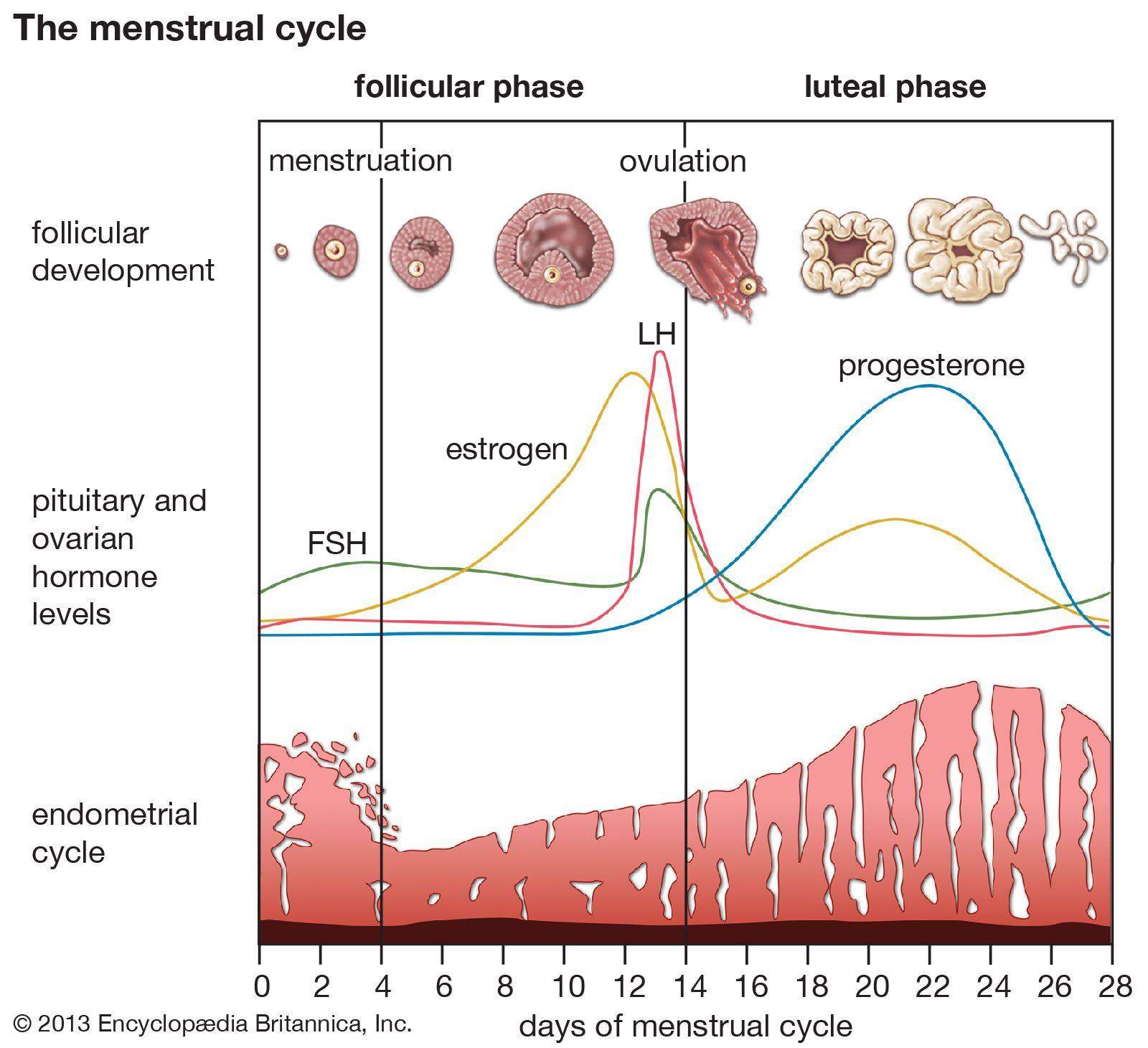
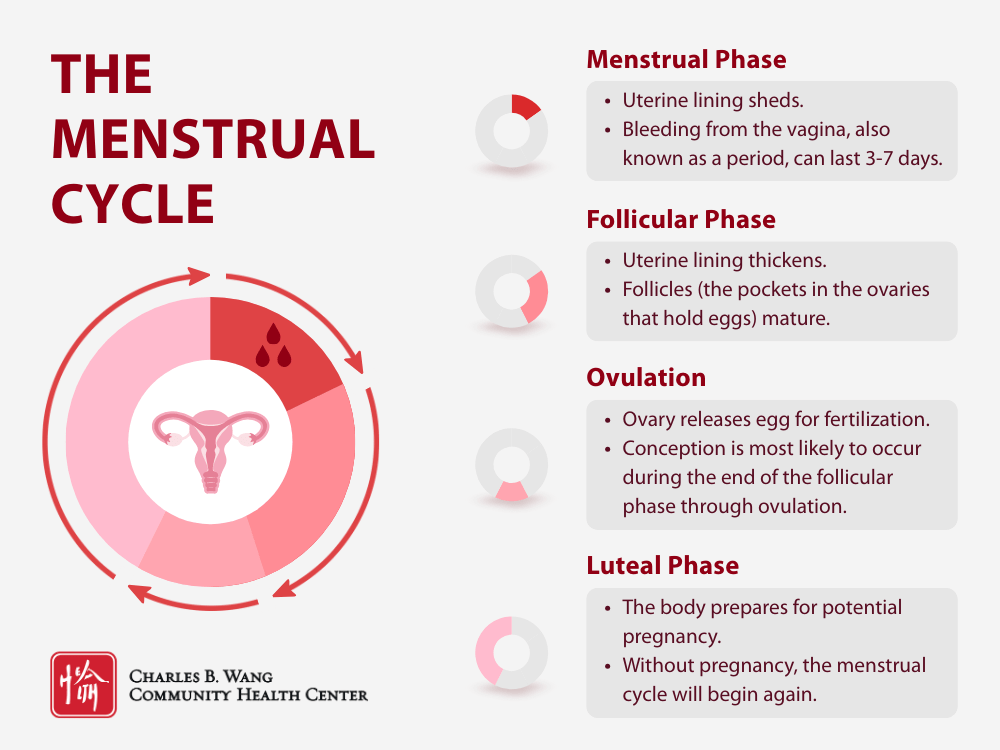
Stress alone can be enough to delay ovulation - and without ovulation, a period cannot start.
Can Stress Affect Your Period?
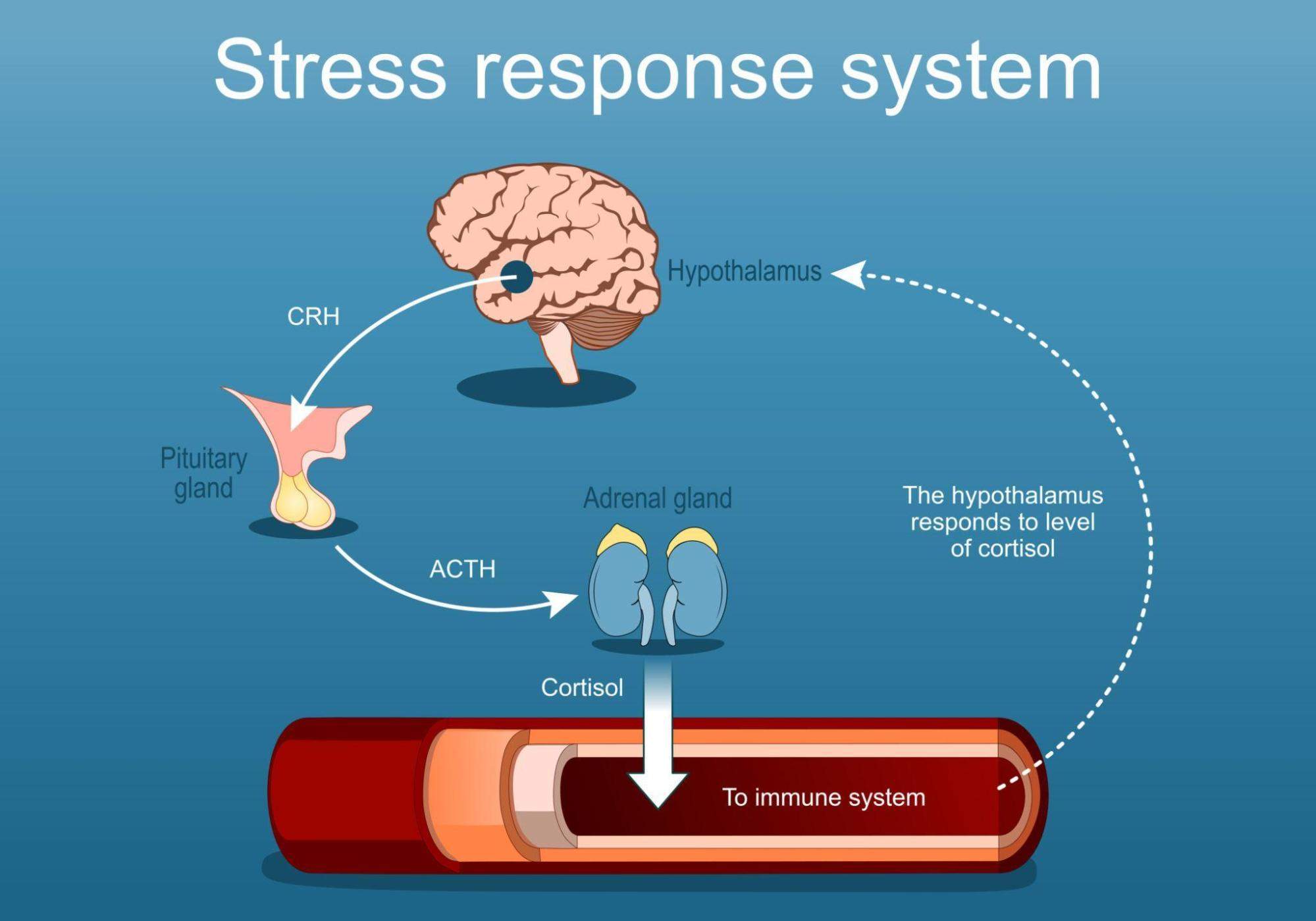
Yes. Stress directly affects the brain signals that control your menstrual cycle. When you are stressed, your body releases cortisol. High cortisol can interfere with:
- Ovulation
- Progesterone release
- Cycle timing
This can lead to late periods, missed periods, spotting, or period pain without bleeding.
How Long Can Stress Delay Your Period?
There is no exact rule, but stress can delay a period by a few days, 1–2 weeks, or occasionally longer.
The delay depends on stress severity, timing in your cycle, and hormonal sensitivity.
Delay of 10 Days or 2 Weeks?
Yes. A 7 – 14 day delay is very common during periods of high stress such as exams, work pressure, relationship stress, travel, or illness. Once stress reduces, ovulation often resumes.
Can Stress Delay for 3 Months?
It can, but this is less common. Periods delayed for several months may indicate chronic stress, hormonal disruption, thyroid imbalance, significant weight loss, or over-exercise.
A delay of three months or more should be checked.
Maximum Delay in Periods If Not Pregnant
Occasional cycle disruption is normal.However:
- Missing one period can happen
- Missing two cycles needs monitoring
- Missing three cycles should be investigated
Persistent absence of periods is called amenorrhoea.
Cramps but No Period?
This is common. Cramps occur because hormones are fluctuating or the uterus is preparing to shed lining, even if ovulation is delayed. Pain does not always mean bleeding will start immediately.
Does Stress Speed Up or Delay?
It can do both: Early-cycle stress may delay ovulation, while late-cycle stress may cause earlier bleeding or spotting. Everybody responds differently.
When Will Your Period Return?
Once stress reduces, hormones rebalance and ovulation resumes. Periods usually return within weeks. If stress remains high, cycles may stay irregular.
When Should You Seek Advice?
- Period late more than 2 weeks regularly
- You miss 2–3 cycles
- You have pelvic pain
- Bleeding is heavy or unpredictable
- Pregnancy tests are inconsistent
What You Should Not Do
Avoid hormone manipulation without advice, excessive exercise, crash dieting, or repeated daily pregnancy testing. These can worsen hormonal disruption.
How Testing Can Help
Blood testing can help identify:
- Hormone imbalance
- Thyroid issues
- Iron deficiency
- Stress-related hormonal changes
FAQs
Yes. Stress is a common cause of delayed ovulation.
More than two missed cycles should be checked.
Severe or chronic anxiety can disrupt cycles.
Yes. Hormonal fluctuations may cause spotting.
Repeat testing may help, but persistent delay needs assessment.
Private Women’s Health Testing in Central London
If your period feels unpredictable or anxiety-provoking, testing can bring clarity.
Marylebone Diagnostic Centre
📍 73 Baker Street, London W1U 6RD | 🚇 5-minute walk from Baker Street tube
🕒 Monday–Saturday, 8:00–16:00 | 📞 +44 7495 970109
Results within 24–42 hours depending on the test. All testing meets the Marylebone High Standard.

