Type 2 Diabetes Management in 2026: What the Latest NICE Guidance Means for You in London
Introduction
Type 2 diabetes is one of the most common long-term health conditions in the UK.
However, management has changed significantly over recent years. In February 2026, the National Institute for Health and Care Excellence (NICE) reviewed and updated its guidance on medicines and insulin treatment.
The focus is now clear:
- Individualised care
- Cardiovascular risk reduction
- Blood glucose optimisation
- Early complication detection
At Marylebone Diagnostic Centre (MDC), we align with the latest NICE guidance while offering rapid, private blood monitoring in central London.
What Is Type 2 Diabetes?
Type 2 diabetes occurs when the body becomes resistant to insulin or does not produce enough insulin.
Over time, blood glucose levels rise.
This can lead to:
- Heart disease
- Stroke
- Kidney damage
- Nerve damage
- Vision problems
The good news? Early detection and structured monitoring significantly reduce long-term complications.
What Changed in the 2026 NICE Update?
The 2026 update focused mainly on:
- Medicines for people with and without other health conditions
- Insulin adjustments due to product withdrawals
- Personalised treatment strategies
The key message is simple:
Treatment should be tailored to the individual.
This means considering:
- Cardiovascular risk
- Kidney function
- Weight
- Other medical conditions
- Patient preference
This aligns strongly with MDC’s personalised approach.
Understanding HbA1c Targets
HbA1c is the main blood test used to monitor long-term glucose control.
It reflects average blood glucose over 8–12 weeks.
Typical UK targets vary depending on treatment and individual risk. However, many adults aim for around:
- 48 – 53 mmol/mol (6.5 – 7.0%)
Targets may differ based on:
- Age
- Risk of hypoglycaemia
- Co-existing illness
Private monitoring allows more frequent assessment without NHS delays.
Why Private Monitoring Can Make a Difference
Many patients are seen annually in primary care.
However, metabolic changes can occur much faster.
Private testing helps if you:
- Recently started medication
- Are using GLP-1 therapy
- Have pre-diabetes
- Have strong family history
- Want proactive monitoring
At MDC, results are typically available within 24–42 hours depending on the test.
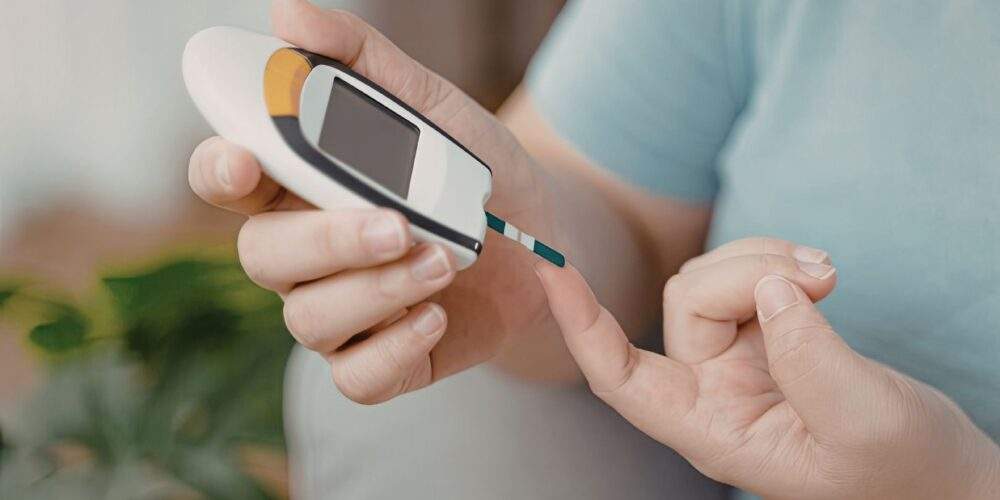
Beyond HbA1c: What Should Be Monitored?
Diabetes management is not only about glucose.
NICE emphasises cardiovascular risk reduction.
This means monitoring:
- Lipid profile
- Kidney function (eGFR, U&Es)
- Liver function
- Urine albumin-creatinine ratio (ACR)
- Blood pressure
- Weight and BMI
We also assess inflammation and metabolic markers where appropriate.
MDC Diabetes Monitoring Profile
To align with current UK guidance, MDC offers a structured panel including:
- HbA1c
- Fasting glucose
- Insulin
- Lipid profile
- Kidney function (eGFR & U&Es)
- Liver function tests
- Urine ACR
This gives a comprehensive metabolic overview.
Insulin Resistance vs Type 2 Diabetes
Many people have insulin resistance before diabetes develops.
This stage is often called “pre-diabetes”.
Symptoms may be subtle:
- Fatigue
- Weight gain
- Increased waist circumference
- Sugar cravings
Testing fasting insulin alongside glucose can help identify early metabolic dysfunction.
Early intervention is powerful.
Diabetes and Weight Management
Weight plays a significant role in insulin sensitivity. Even modest weight reduction improves metabolic markers.
Our Weight Management Programme integrates:
- Blood monitoring
- Lifestyle review
- Medication where appropriate
- Ongoing metabolic assessment
This approach aligns with the person-centred medicine model emphasised in the latest NICE guidance.
Identifying Complications Early
Long-term diabetes can affect:
- Kidneys
- Nerves
- Heart
- Eyes
Routine monitoring reduces the risk of silent progression. Early detection allows early treatment.
Who Should Consider Private Testing?
You may benefit from structured private monitoring if you:
- Have newly diagnosed type 2 diabetes
- Have pre-diabetes
- Are adjusting medication
- Are on GLP-1 therapy
- Have a strong family history
- Want preventative screening
Why Choose Marylebone Diagnostic Centre?
We combine clinical governance with rapid access.
Our Differentiators:
- Results within 24 – 42 hours
- On-site consultant review
- Private suites
- Discreet & confidential care
- CQC-accredited and aligned with Marylebone High Standard
- Optional teleconsultations for results
MDC uses QCMD quality assurance to ensure all test results meet the Marylebone High Standard.
1. What is the HbA1c target in the UK?
Targets vary. Many adults aim for 48–53 mmol/mol. Your ideal level depends on individual factors.2. How often should HbA1c be tested?
Typically every 3–6 months if adjusting treatment, or every 6–12 months if stable.3. Can pre-diabetes be reversed?
In many cases, early lifestyle intervention and weight reduction significantly improve insulin resistance.4. Do I need insulin if I have type 2 diabetes?
Not always. Many people manage diabetes with lifestyle and oral medicines. Insulin is introduced when needed.5. How quickly can I get results privately?
At MDC, most diabetes blood results are available within 24–42 hours.Take Control of Your Metabolic Health
Type 2 diabetes is manageable.
However, proactive monitoring is essential.
If you want clarity, faster results, and structured metabolic oversight aligned with current UK guidance, MDC is here to support you.
Book Your Diabetes Monitoring Test Today
📍 Marylebone Diagnostic Centre
73 Baker Street, London W1U 6RD
5-minute walk from Baker Street tube
📞 +44 7495 970109
🕒 Monday–Saturday, 8:00–16:00
Private blood tests in London with rapid results and personalised care.