
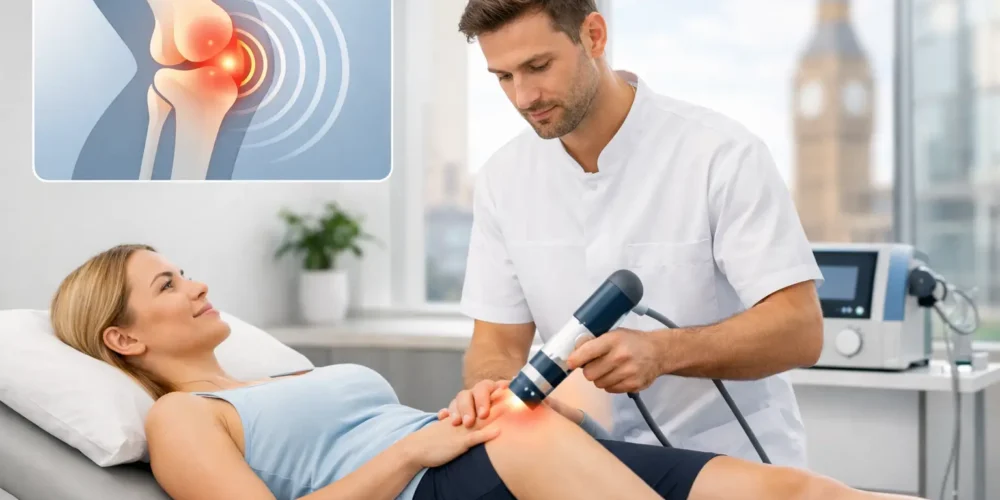
Shockwave Therapy for ED Explained
A treatment that supports blood flow, vascular function, and erectile performance without surgery or ongoing medication is one reason many men now ask about shockwave therapy for erectile dysfunction (ED). It is not a general wellness trend or a cosmetic treatment. In the right clinical setting, it is a focused therapy used to support men experiencing vasculogenic erectile dysfunction, particularly where symptoms have become persistent or frustrating over time.
Book Shockwave for ed – https://www.marylebonediagnosticcentre.com/shockwave-therapy-for-ed-in-london/
For men considering private treatment, the real question is usually not whether shockwave therapy sounds innovative. It is whether it is appropriate for their symptoms, whether it fits into a sensible clinical pathway, and what results can realistically be expected over time. That is where proper medical assessment matters.
What is shockwave therapy for erectile dysfunction?
Shockwave therapy for erectile dysfunction uses low-intensity acoustic waves delivered to targeted areas of penile tissue. These pulses are applied externally using a handheld device. The aim is to stimulate a biological response that may support blood vessel function, circulation, and tissue regeneration associated with erectile performance.
Despite the name, this is not an electrical shock treatment. The term refers to pressure waves, not electricity. In practice, treatment is focused on areas associated with vascular erectile function following clinical assessment.
Shockwave therapy is most often considered in men with vasculogenic ED, where reduced blood flow contributes to difficulty achieving or maintaining erections. It is commonly explored when symptoms have persisted despite lifestyle changes, supplements, or medication, or when patients want a non-surgical option as part of a broader men’s health plan.
How shockwave therapy works
The exact response varies between patients, but the principle is fairly consistent. The acoustic waves create controlled mechanical stimulation within the tissue. This is thought to encourage local blood vessel activity, improve microcirculation, and support tissue response linked to erectile function.
That matters because erectile dysfunction is not always purely psychological. In many men, vascular health plays a major role. Reduced circulation, endothelial dysfunction, metabolic health issues, smoking history, diabetes, stress, or age-related vascular changes can all contribute to symptoms over time.
Shockwave therapy does not create instant results overnight. Response is usually gradual. Patients often require a structured treatment course alongside lifestyle optimisation, hormonal review, cardiovascular assessment, or additional men’s health support depending on the underlying cause.
Which men may be suitable?
Shockwave therapy is generally considered for men with mild to moderate vasculogenic erectile dysfunction. Suitability depends on more than symptoms alone. Age, cardiovascular health, hormone status, medication use, diabetes, smoking history, psychological stress, and previous treatment response all matter.
For example, two men with ED may require completely different approaches. One may primarily benefit from hormonal optimisation or lifestyle intervention, while another with vascular-related symptoms may be suitable for shockwave therapy alongside medical management.
That is why proper assessment should come first. Erectile dysfunction can sometimes act as an early warning sign of wider cardiovascular or metabolic health concerns. Identifying the underlying cause matters far more than simply masking symptoms.
At Marylebone Diagnostic Centre, shockwave therapy is positioned within a broader men’s health and diagnostic pathway rather than as an isolated cosmetic-style procedure.
Why assessment matters before treatment
A clinically led pathway is especially important when erectile dysfunction has become persistent, recurrent, or progressively worse. Before treatment, the priority is to understand whether the symptoms are likely vascular, hormonal, psychological, neurological, medication-related, or linked to another health condition.
This is one reason integrated private clinics can be valuable for men seeking more than a quick prescription. Access to blood testing, cardiovascular review, hormonal assessment, and follow-up support allows treatment decisions to become more precise.
At Shockwave Therapy for ED in London, the approach focuses on combining assessment, diagnostics, and personalised treatment planning within one pathway.
It also helps identify when shockwave therapy may not be appropriate. Some patients require different interventions, additional investigations, medication review, or referral pathways before proceeding further.
What to expect during shockwave therapy
Treatment sessions are usually relatively short. A clinician identifies the treatment areas, applies gel, and uses the device to deliver pulses to targeted tissue. The sensation is often described as unusual or mildly uncomfortable rather than painful, although tolerance varies between individuals.
Intensity can usually be adjusted, and treatment is delivered in a controlled clinical setting. Following the session, most patients are able to return to normal activity immediately.
A course of treatment is typically recommended rather than a single session. The exact number depends on symptom severity, duration, and overall health profile. Patients are usually advised that improvements may occur gradually over several weeks rather than immediately after one appointment.
Shockwave therapy should work alongside wider men’s health optimisation
One of the biggest misunderstandings is thinking that shockwave therapy alone resolves every cause of erectile dysfunction. In reality, the best outcomes often come when it is paired with broader lifestyle and medical optimisation.
That may include improving cardiovascular health, addressing weight management, reducing smoking or alcohol intake, managing stress, improving sleep quality, reviewing testosterone levels, or identifying metabolic concerns through blood testing.
This is where realistic expectations matter. If the underlying vascular strain, metabolic dysfunction, or lifestyle contributors remain unchanged, symptoms may persist even with treatment. Shockwave therapy can support erectile function, but it usually works best when the wider health picture is addressed at the same time.
Men seeking a broader assessment pathway often combine treatment with services such as:
Men’s Health Assessment Private Blood Testing London Hormone & Testosterone Testing Benefits, limits, and realistic expectations
The appeal of shockwave therapy is understandable. It is non-surgical, externally delivered, and designed to support erectile function without ongoing dependence on medication alone. For suitable patients, it may improve erectile quality, confidence, and vascular response over time.
But there are limits. It is not suitable for every type of erectile dysfunction, and response varies between patients. Some men experience noticeable improvement, some partial benefit, and others may require a different clinical route entirely.
That is why clinically honest discussion matters more than over-promising. Patients should understand what the treatment is aiming to achieve, how progress will be monitored, and when alternative strategies may be more appropriate.
When to seek further advice
If erectile dysfunction has persisted despite lifestyle changes, supplements, or medication, it is worth seeking a proper assessment. The same applies if symptoms are affecting confidence, relationships, wellbeing, or overall quality of life.
Many men seek private assessment because they want a more efficient route to clarity. That may involve identifying whether shockwave therapy is appropriate, whether blood testing is needed, or whether another explanation for symptoms should be explored first.
A good treatment plan should leave you with more than appointments in the diary. It should give you a clearer understanding of your health, the likely recovery pathway, and what you can do to support long-term improvement.
If shockwave therapy is recommended, it should feel like part of a structured clinical plan rather than an isolated intervention. For many men, that clarity is what turns a frustrating issue into a manageable and medically guided recovery process.