
Period Changes After Weight Loss: When to Seek Medical Advice
Weight loss can affect your periods, especially if you are eating too little for your activity levels. However, a late or missing period can have other causes, including pregnancy, thyroid conditions and hormonal contraception.
If pregnancy is possible, take a pregnancy test. Arrange a medical review if your periods become irregular, you miss three in a row, or a missed period comes with symptoms such as weight changes or tiredness. You can seek advice sooner if concerned.
Discuss your symptoms with MDC
Why can weight loss affect your cycle?
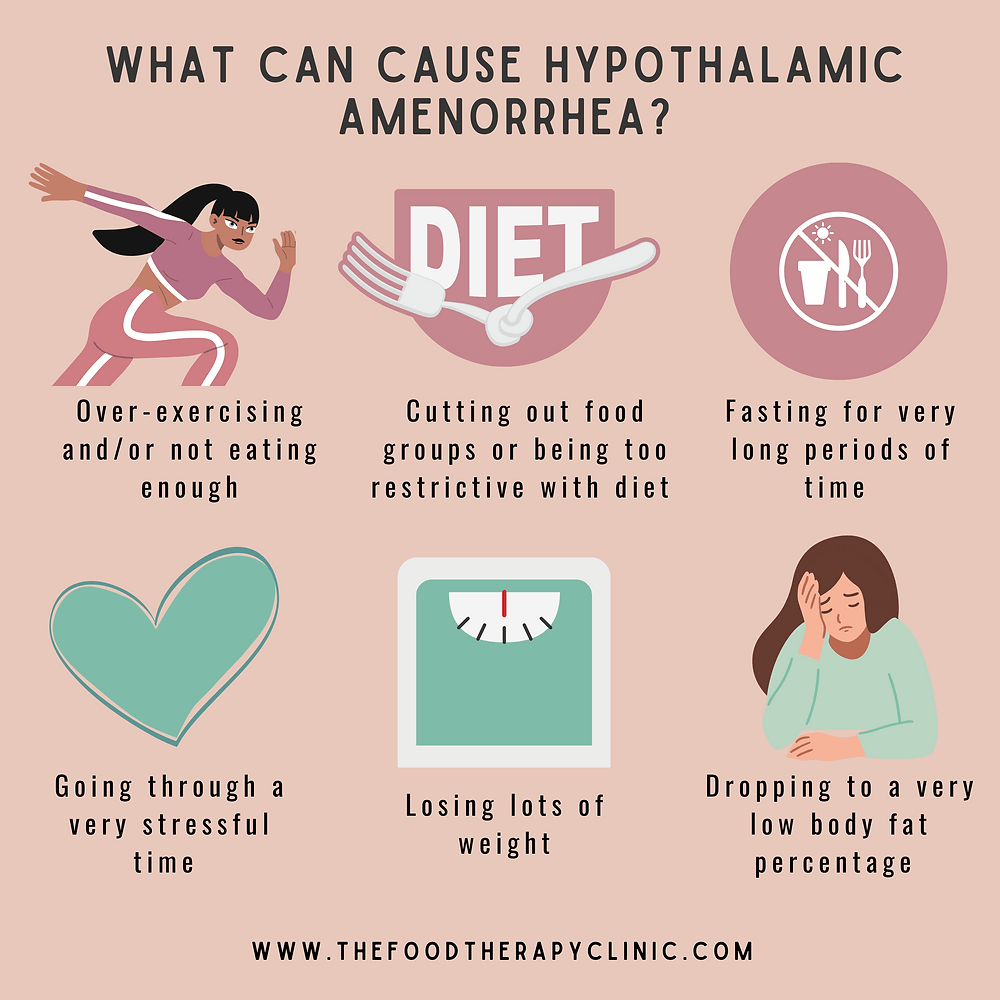
Too little available energy can disrupt the signals controlling ovulation. One possible cause of absent periods is functional hypothalamic amenorrhoea, which a clinician diagnoses after excluding other causes. Diet, exercise, stress and menstrual history all matter.
When should you seek medical advice?
- Arrange a review: your periods have become irregular, you have missed three consecutive periods, or you have a missed period with other symptoms.
- Get urgent advice: if pregnancy is possible and you have unusual bleeding, one-sided lower abdominal pain or shoulder-tip pain, contact a GP or NHS 111 promptly, even without a positive test.
- Call 999 or go to A&E: if you have sudden, severe abdominal pain with marked dizziness or fainting.
Urgent symptoms need urgent care rather than a routine blood-test appointment.
What happens during an assessment?
A clinician will ask about your periods, pregnancy possibility, diet, exercise, medicines and other symptoms. They may recommend pregnancy testing and blood tests such as thyroid function, prolactin, FSH, LH and oestradiol. The choice and timing depend on your circumstances; results need clinical interpretation.
A blood panel alone cannot confirm that weight loss caused your symptoms. Further assessment or referral may be needed.
Quick answers about periods and weight loss
Can weight loss delay or stop periods?
Yes, particularly with inadequate energy intake or excessive exercise. Pregnancy and other possible causes still need to be considered.
When should I see a doctor?
Seek advice for newly irregular periods, three missed periods in a row, or a missed period with other symptoms. Use the urgent-care guidance above if you have pain or unusual bleeding and might be pregnant.
How long does recovery take?
There is no guaranteed timetable. If low energy availability is the cause, care may include improved nutrition and reduced exercise; weight gain may be needed. Agree a follow-up plan with your clinician.
Can irregular periods affect fertility?
Disrupted ovulation may affect conception, but irregular periods do not rule out pregnancy. Mention plans to conceive during your assessment and continue contraception if pregnancy is not wanted.
Women’s Health Support at MDC, Baker Street
Concerned about changes in your cycle? Contact our team to discuss the appropriate appointment and any testing recommended by a clinician.
Call to discuss an appointment73 Baker Street, London W1U 6RD
Telephone: +44 7495 970109
Clinical sources
- NHS: missed or late periods
- NHS: ectopic pregnancy symptoms and urgent advice
- Endocrine Society: functional hypothalamic amenorrhoea guideline
This information supports, and does not replace, an individual medical assessment.

