
Period Late but Pregnancy Test Negative - What Does It Mean?
A late period with a negative pregnancy test can be confusing and stressful. In most cases, pregnancy is not the reason - but timing matters.
This guide explains why tests can be negative, how late periods can be, and when to investigate further.
Can I Still Be Pregnant If the Test Is Negative and My Period Is Late?
Yes — but only in certain situations. A pregnancy test may be negative if:
- Testing was done too early
- Ovulation happened later than expected
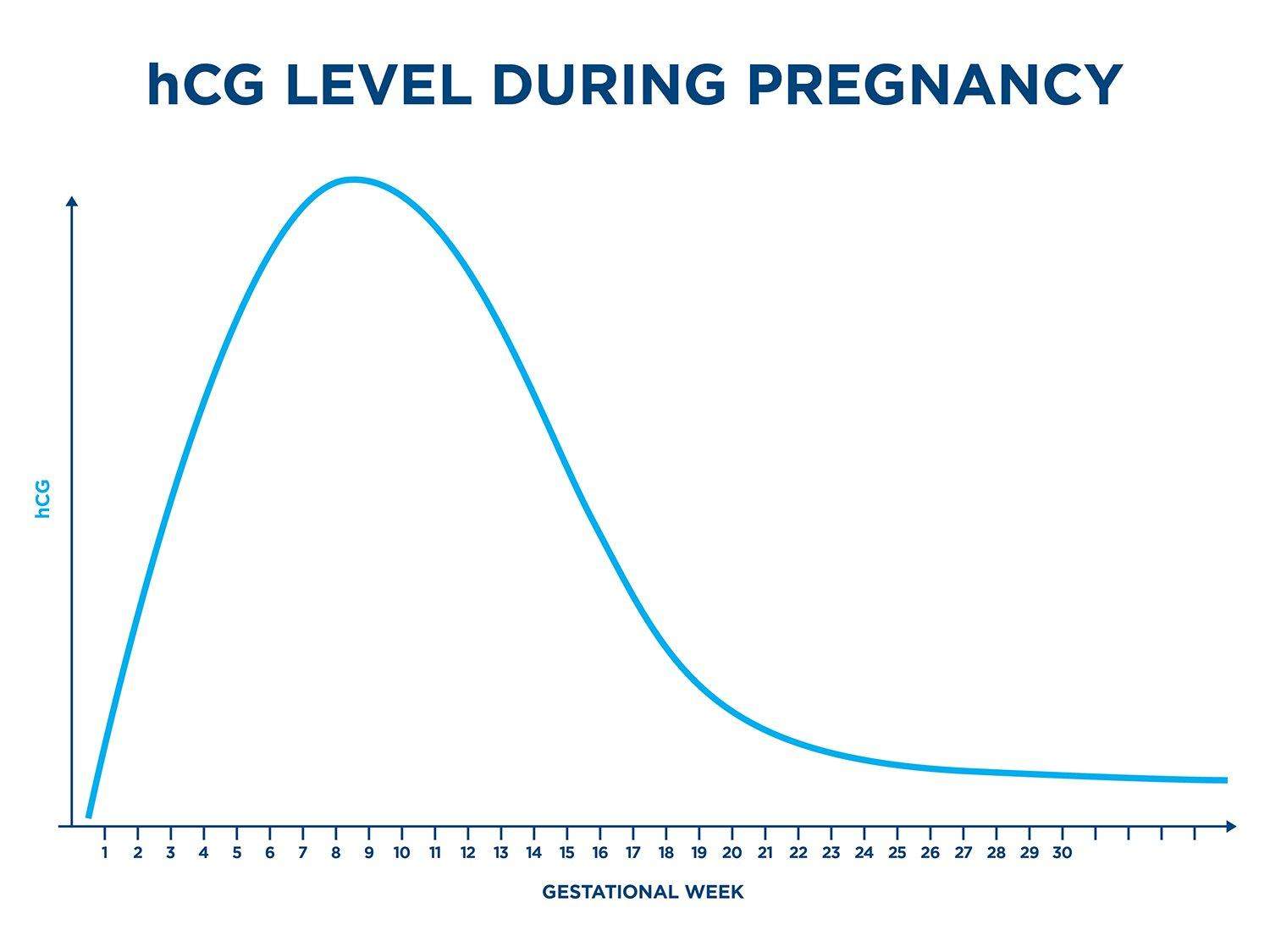
- hCG levels are still low
However, the chance of pregnancy drops significantly as time passes.
Why Is My Period Late but I’m Testing Negative?
Common reasons include:
- Stress or anxiety
- Delayed ovulation
- Hormonal imbalance
- Illness or infection
- Weight changes
- Travel or sleep disruption
- Thyroid issues
If ovulation is delayed, your period will also be delayed - even without pregnancy.
Cramping but No Bleeding?
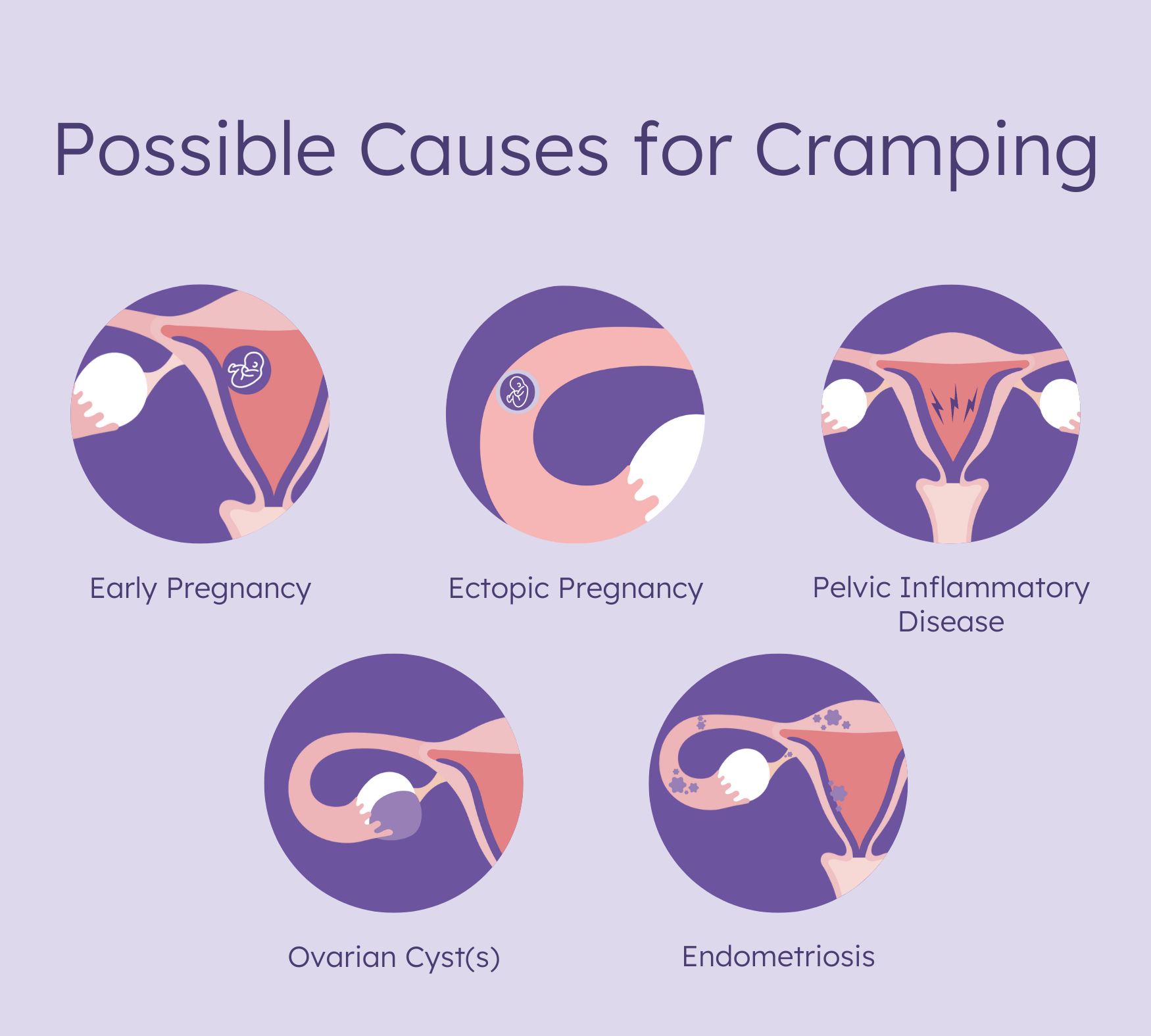
A period 7–15 days late with cramping can happen when hormones fluctuate, ovulation is delayed, or the uterus is preparing to shed lining. Cramps do not always mean a period is about to start.
Period Late with Negative Test - Day-by-Day Breakdown
| Days Late | What It Means |
|---|---|
| 2 - 4 Days | Very common. Pregnancy still possible but unlikely. Hormones often settling. |
| 7 - 10 Days | Pregnancy less likely. Late ovulation is common. Stress plays a major role. |
| 12 - 15 Days | Pregnancy unlikely if tests remain negative. Hormonal causes more probable. Testing useful. |
| More Than 3 Weeks | Pregnancy very unlikely. Hormone or cycle disruption likely. Should be investigated. |
What Is the Maximum Delay If Not Pregnant?
Occasionally, a period may be delayed by 1–2 weeks. Less commonly, stress or hormonal issues can delay periods for several months. Missing three cycles is not normal and should be checked.
Can You Be Pregnant Without hCG?
No. hCG is essential for pregnancy to continue. All pregnancies produce hCG, but early levels may be too low to detect initially. There is no true pregnancy without hCG.
Signs of “Hidden” Pregnancy?
The term is misleading. Subtle symptoms like fatigue, mild nausea, breast sensitivity, or bloating may occur, but an ongoing pregnancy will eventually show positive tests.
How Your Stomach & Mouth May Feel
Early pregnancy can cause bloating, a tight/full sensation, or mild cramping. Oral changes like a metallic taste or sensitive gums are hormone-related and not specific to pregnancy.
Why Tests Are Often Negative Early
False negatives happen when testing too early, using diluted urine, late ovulation, or incorrect test timing. Testing first thing in the morning improves accuracy.
When to Retest
- Retest after 5 - 7 days
- Use morning urine
- Avoid testing daily
If tests remain negative after 14 days, pregnancy is unlikely.
When Should You Be Concerned?
- Period is over 2 weeks late repeatedly
- Periods stop suddenly
- Bleeding becomes heavy or irregular
- Pelvic pain develops
- You miss 2–3 cycles
What Testing Can Help?
Blood testing can help identify:
- Hormone imbalance
- Thyroid issues
- Iron deficiency
- Stress-related disruption
FAQs – People Also Ask
It is possible, but unlikely. Late ovulation is more common.
Yes. Anxiety can delay ovulation and bleeding.
Repeated daily testing is not helpful. Space tests 5–7 days apart.
Yes. Hormones can cause cramping without bleeding.
Private Women’s Health Testing in Central London
If uncertainty is causing stress, testing can help explain what is happening.
Marylebone Diagnostic Centre
📍 73 Baker Street, London W1U 6RD | 🚇 5-minute walk from Baker Street tube
🕒 Monday–Saturday, 8:00–16:00 | 📞 +44 7495 970109
Results within 24 - 42 hours depending on the test.

