Low Sperm Count (Oligospermia): Causes, Treatment & When to Test
Low sperm count is one of the most common causes of male infertility. However, many men are unaware they have it.
The good news? In many cases, it can be identified early and improved.
What Is Low Sperm Count (Oligospermia)?
Oligospermia means a man has fewer sperm than normal in his semen.
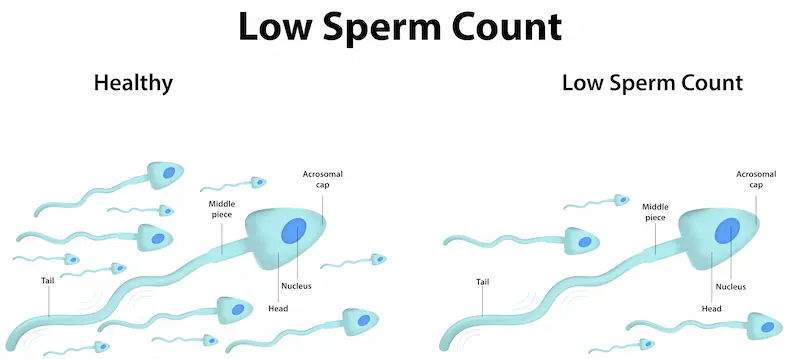
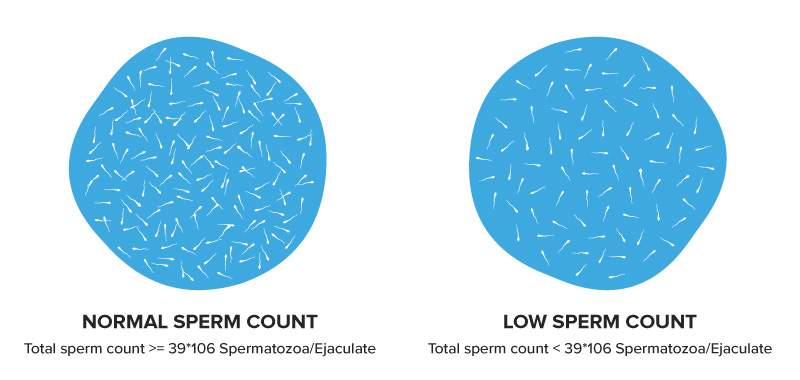
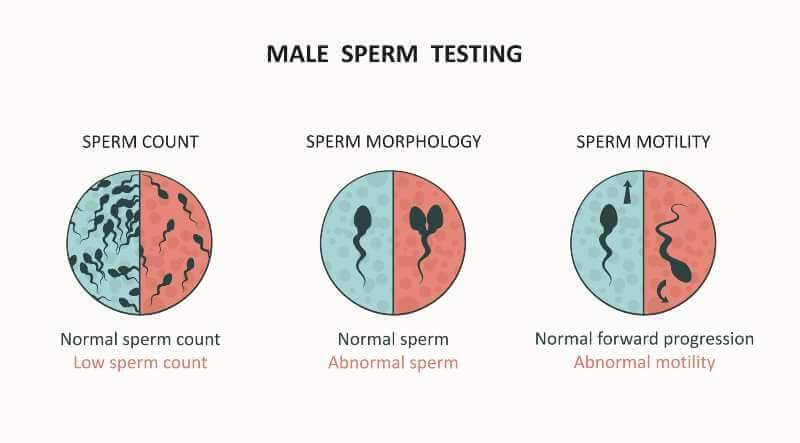
According to WHO guidelines:
- Normal sperm count = 15 million sperm per ml or more
- Low sperm count = below 15 million per ml
The only way to know your level is through a
semen analysis in London.
Why Sperm Count Matters
Sperm count plays a key role in natural conception.
Lower sperm count means:
- Reduced chance of fertilising an egg
- Longer time to conceive
- Increased need for fertility support
Male factor contributes to around 50% of fertility cases.
Early testing with a
sperm analysis
can provide clarity and direction.
What Causes Low Sperm Count?
Several factors can affect sperm production.
1. Lifestyle Factors
- Smoking
- Alcohol
- Poor diet
- Obesity
- Stress
2. Heat Exposure
Frequent sauna use, hot baths, or laptops on the lap can reduce sperm production.
3. Hormonal Imbalance
Low testosterone or hormonal disruption can impact sperm levels.
Male Infertility Profile
can help assess hormone levels and identify issues.
4. Medical Conditions
- Varicocele
- Infections
- Previous surgery
5. Genetic Factors
Some men may have underlying genetic causes affecting sperm production.
In such cases,
DNA fragmentation testing
can provide deeper insight into sperm quality.
How Is Low Sperm Count Diagnosed?
Diagnosis is simple and quick.
Semen Analysis
This test measures:
- Sperm count
- Motility (movement)
- Morphology (shape)
- Volume
You can
book a semen analysis
and receive results within 24–42 hours.
What Is a Normal Sperm Count?
| Parameter | Normal Range (WHO) |
| Sperm count | ≥ 15 million/ml |
| Total count | ≥ 39 million |
| Motility | ≥ 40% |
| Morphology | ≥ 4% normal forms |
If your results fall below these levels, further testing may be recommended.
Can Low Sperm Count Be Improved?
In many cases, yes.
Lifestyle Changes
- Stop smoking
- Reduce alcohol
- Improve diet
- Exercise regularly
- Manage stress
Medical Support
- Hormone treatment (if needed)
- Treat underlying conditions
- Specialist fertility guidance
Advanced Testing
If standard results are unclear, deeper analysis is helpful.
DNA fragmentation test
can reveal hidden sperm quality issues.
When Should You Get Tested?
You should consider testing if:
- You have been trying for 3 – 6 months
- You want reassurance before trying
- You have risk factors (lifestyle or medical)
Early testing with a
sperm test in London
can save time and reduce stress.
What Happens After Diagnosis?
Once identified, the next step is a clear plan.
At Marylebone Diagnostic Centre, you can:
- Start with a
semen analysis - Follow up with a
Male Infertility Profile - Explore advanced testing like
DNA fragmentation
All with:
- Fast results (24 – 42 hours)
- Discreet, private service
- Central London location
Frequently Asked Questions
Can low sperm count cause infertility?
Yes. It reduces the chances of fertilisation, but pregnancy is still possible.
Can sperm count improve naturally?
Yes. Lifestyle changes can have a significant impact.
Do I need more than one test?
Yes. Results can vary, so repeat testing is often recommended.
Is the test private?
Yes. Private testing is discreet and fast.
Take Control of Your Fertility
Low sperm count is common, but it is manageable.
With the right testing and guidance, many men improve their fertility outcomes.
Start today with a
semen analysis in London
and take control of your future.
Marylebone Diagnostic Centre
- 📞 +44 7495 970109
- 📍 73 Baker Street, London W1U 6RD
- 🕘 Monday–Saturday, 8:00–16:00
- 🚶 5-minute walk from Baker Street station
Results within 24 – 42 hours. Discreet. Accurate. Trusted.