
Birth Control 101: A Complete Guide to Preventing Pregnancy

- Birth control helps prevent pregnancy.
- Some methods also protect against sexually transmitted infections (STIs).
This guide explains every major birth control option, how they work, how effective they are, and how to choose what suits your body and lifestyle.
What Is Birth Control?
Birth control (contraception) includes methods that:
- Prevent ovulation
- Stop sperm reaching an egg
- Prevent implantation
- Or block fertilisation
No method is perfect. The right choice depends on your health, age, hormones, and goals.
Types of Birth Control
Hormonal Birth Control
Hormonal contraception works by changing hormone levels to prevent ovulation.
Common hormonal methods
- Combined pill
- Mini pill (progestogen-only)
- Hormonal injection
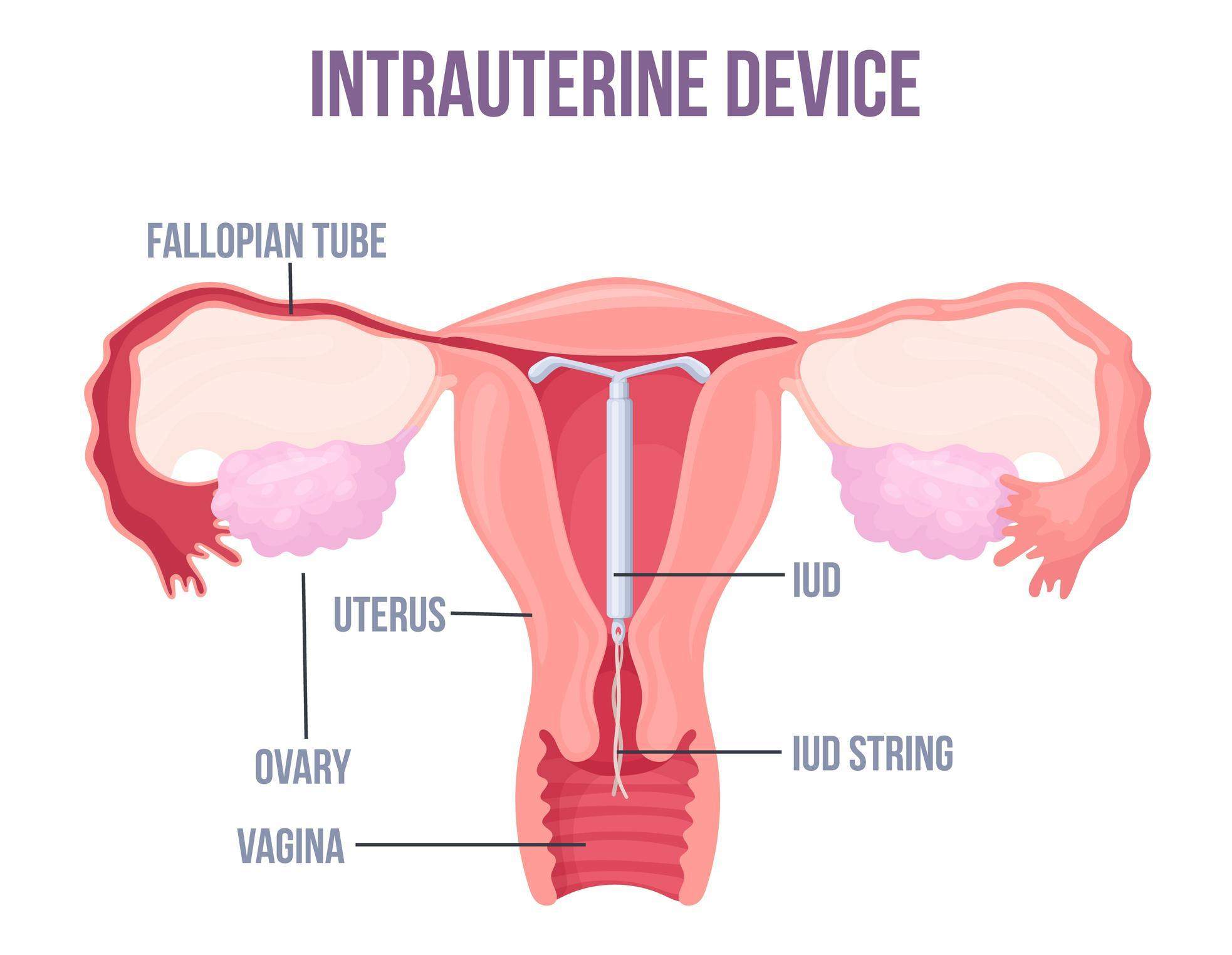
- Hormonal coil (IUD)
- Contraceptive implant
- Vaginal ring
- Contraceptive patch
Pros: Highly effective, regulates periods, may reduce acne.
Cons: Possible side effects, no STI protection.
Non-Hormonal Birth Control
These methods do not affect hormones.
Common non-hormonal options
- Copper coil (copper IUD)
- Condoms
- Diaphragm
- Cervical cap
- Fertility awareness methods
Pros: No hormonal side effects, suitable for sensitive conditions.
Cons: Effectiveness varies, requires careful timing.
Barrier Methods
Barrier methods physically block sperm.
- Male condoms
- Female condoms
- Diaphragm
Long-Acting Reversible Contraception (LARC)
LARC methods last months or years.
- Implant (3 years)
- Hormonal coil (3–5 years)
- Copper coil (5–10 years)
Why many choose LARC: Very high effectiveness, no daily action required, quickly reversible.
Emergency Contraception
Emergency contraception helps prevent pregnancy after sex. Options include:
- Emergency contraceptive pill
- Copper coil
Timing matters: Works best as early as possible. Effectiveness drops with time. Emergency contraception does not cause abortion.
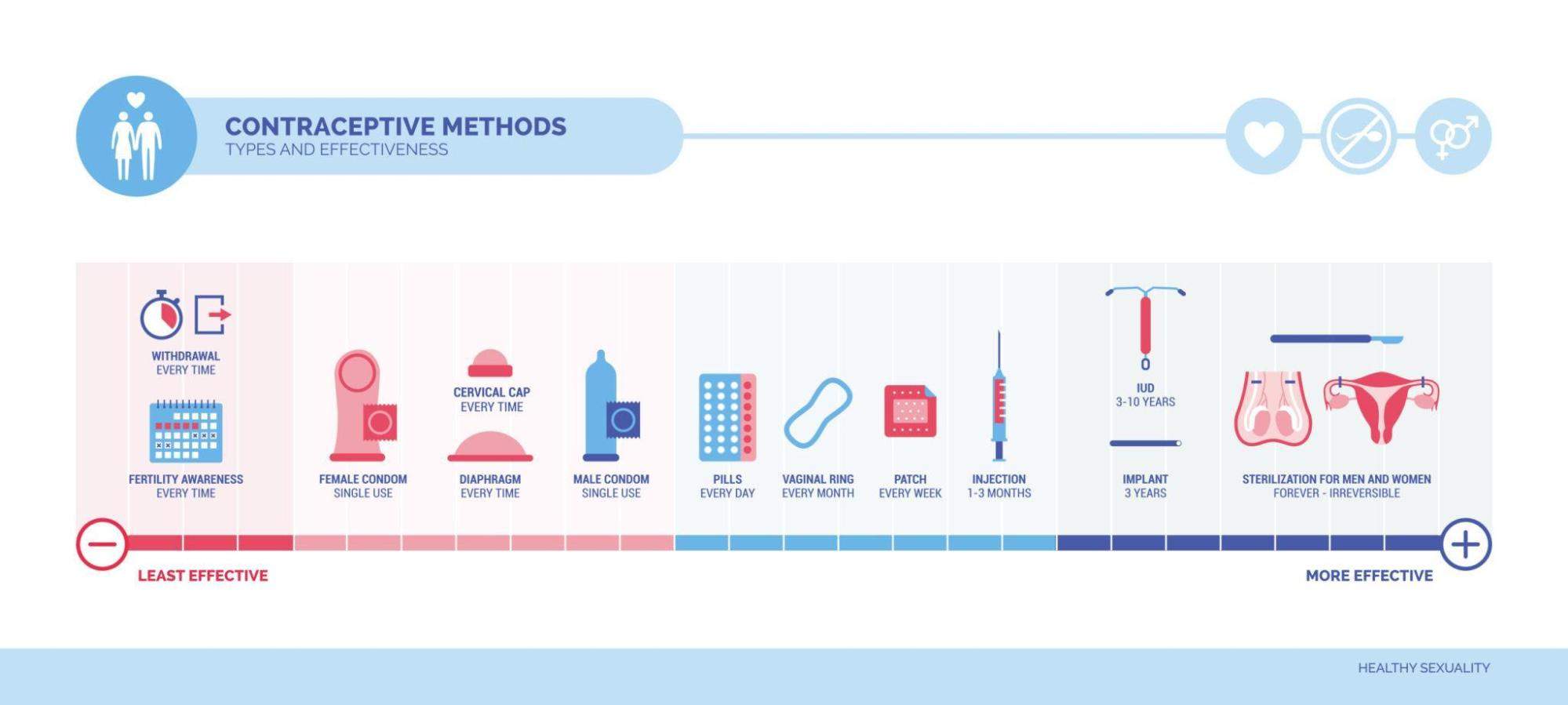
Birth Control Effectiveness (Typical Use)
| Method | Effectiveness |
|---|---|
| Implant / Coil | Over 99% |
| Injection | ~94% |
| Pill | ~91% |
| Condom | ~85% |
| Fertility awareness | 75–88% |
Typical use reflects real life, not perfect use.
Birth Control and Side Effects
Possible effects include:
- Spotting or irregular bleeding
- Mood changes
- Breast tenderness
- Headaches
- Libido changes
Blood testing can help assess hormone balance, iron levels, and vitamin deficiencies.
Birth Control and Weight Gain
Most modern methods do not directly cause weight gain. Changes are usually related to:
- Appetite changes
- Water retention
- Lifestyle factors
If weight changes feel sudden, hormone testing can help.
Birth Control and Fertility
Birth control does not permanently reduce fertility. It usually returns after stopping, though timing varies by method. Long delays should be investigated.
Birth Control for Men
Male options are limited: Condoms and Vasectomy. Research is ongoing, but no hormonal male pill is widely available yet.
Choosing the Right Birth Control
Consider your age, medical history, hormone sensitivity, period symptoms, pregnancy plans, and STI risk. What works for one person may not suit another.
When to Speak to a Clinician
- Persistent spotting
- Periods stop unexpectedly
- Severe side effects
- Planning pregnancy soon
- Unsure which method suits you
FAQs
Long-acting methods like implants and coils are the most effective.
Yes. No method is 100% effective.
Only condoms reduce HIV and STI risk.
For most people, long-term use is safe with monitoring.
Yes, but speak to a clinician for guidance.
How Testing Can Support Birth Control Decisions
Blood tests can help assess hormones, iron and vitamin levels, and thyroid function. This is useful if you experience irregular bleeding, fatigue, mood changes, or weight concerns.
Private, Discreet Support in Central London
If you want clarity around hormones, fertility, or reproductive health, testing can help guide decisions.
Marylebone Diagnostic Centre
📍 73 Baker Street, London W1U 6RD | 🚇 5-minute walk from Baker Street tube
🕒 Monday–Saturday, 8:00–16:00 | 📞 +44 7495 970109
Results within 24 - 42 hours depending on the test. All testing meets the Marylebone High Standard.

