

Vitamin D and Omega-3: Why “More” Is Not Always Better


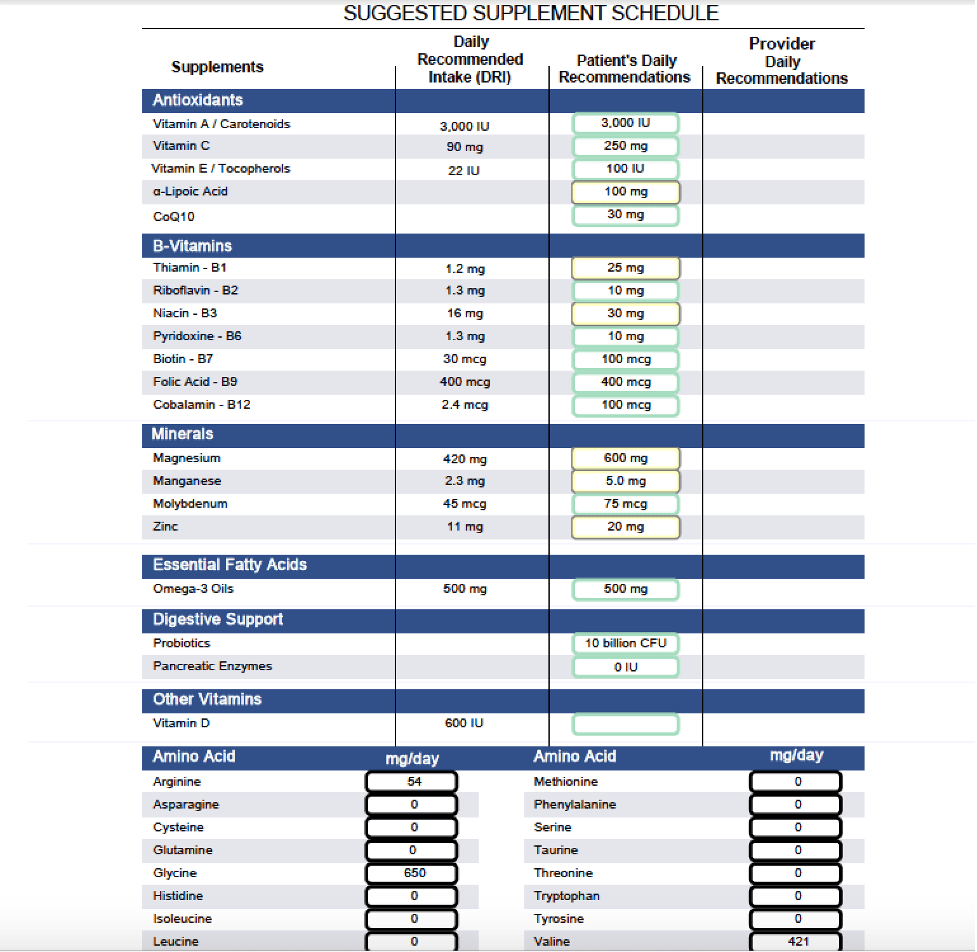
Recent media reports have warned against unmonitored vitamin D use, while omega-3 supplements continue to be widely promoted.
The clinical reality is simple:
Supplementation should be personalised — not guessed.
Vitamin D supports:
However, excess vitamin D can cause:
Symptoms of excess are often silent.
Omega-3 fatty acids may support:
Benefits vary depending on:
Rather than self-supplementing, testing shows:
| Test | Why It Matters |
|---|---|
| Vitamin D (25-OH) | Identifies deficiency or excess levels |
| Calcium | Detects risk of vitamin D over-supplementation |
| Full Blood Count | Assesses overall health and immune status |
| Inflammation Markers | Indicates chronic inflammatory burden |
| Lipid Profile | Provides cardiovascular health context |
IV therapy is used selectively, not routinely.
At MDC, IV therapy may be considered when:
IV therapy does not replace diet or lifestyle.
This protects patients from harm.
📍 73 Baker Street, London W1U 6RD
📞 +44 7495 970109
🚇 5-minute walk from Baker Street tube
| Cookie | Duration | Description |
|---|---|---|
| cookielawinfo-checkbox-advertisement | 1 year | Set by the GDPR Cookie Consent plugin, this cookie is used to record the user consent for the cookies in the "Advertisement" category . |
| cookielawinfo-checkbox-analytics | 11 months | This cookie is set by GDPR Cookie Consent plugin. The cookie is used to store the user consent for the cookies in the category "Analytics". |
| cookielawinfo-checkbox-functional | 11 months | The cookie is set by GDPR cookie consent to record the user consent for the cookies in the category "Functional". |
| cookielawinfo-checkbox-necessary | 11 months | This cookie is set by GDPR Cookie Consent plugin. The cookies is used to store the user consent for the cookies in the category "Necessary". |
| cookielawinfo-checkbox-others | 11 months | This cookie is set by GDPR Cookie Consent plugin. The cookie is used to store the user consent for the cookies in the category "Other. |
| cookielawinfo-checkbox-performance | 11 months | This cookie is set by GDPR Cookie Consent plugin. The cookie is used to store the user consent for the cookies in the category "Performance". |
| CookieLawInfoConsent | 1 year | Records the default button state of the corresponding category & the status of CCPA. It works only in coordination with the primary cookie. |
| PHPSESSID | 1 month | This cookie is native to PHP applications. The cookie is used to store and identify a users' unique session ID for the purpose of managing user session on the website. The cookie is a session cookies and is deleted when all the browser windows are closed. |
| viewed_cookie_policy | 11 months | The cookie is set by the GDPR Cookie Consent plugin and is used to store whether or not user has consented to the use of cookies. It does not store any personal data. |
| Cookie | Duration | Description |
|---|---|---|
| mailchimp_landing_site | 1 month | The cookie is set by MailChimp to record which page the user first visited. |
| Cookie | Duration | Description |
|---|---|---|
| _ga | 2 years | The _ga cookie, installed by Google Analytics, calculates visitor, session and campaign data and also keeps track of site usage for the site's analytics report. The cookie stores information anonymously and assigns a randomly generated number to recognize unique visitors. |
| _ga_6BJZ8M2EF7 | 2 years | This cookie is installed by Google Analytics. |
| _gat_gtag_UA_218103781_1 | 1 minute | Set by Google to distinguish users. |
| _gid | 1 day | Installed by Google Analytics, _gid cookie stores information on how visitors use a website, while also creating an analytics report of the website's performance. Some of the data that are collected include the number of visitors, their source, and the pages they visit anonymously. |
| Cookie | Duration | Description |
|---|---|---|
| cookies.js | session | No description available. |